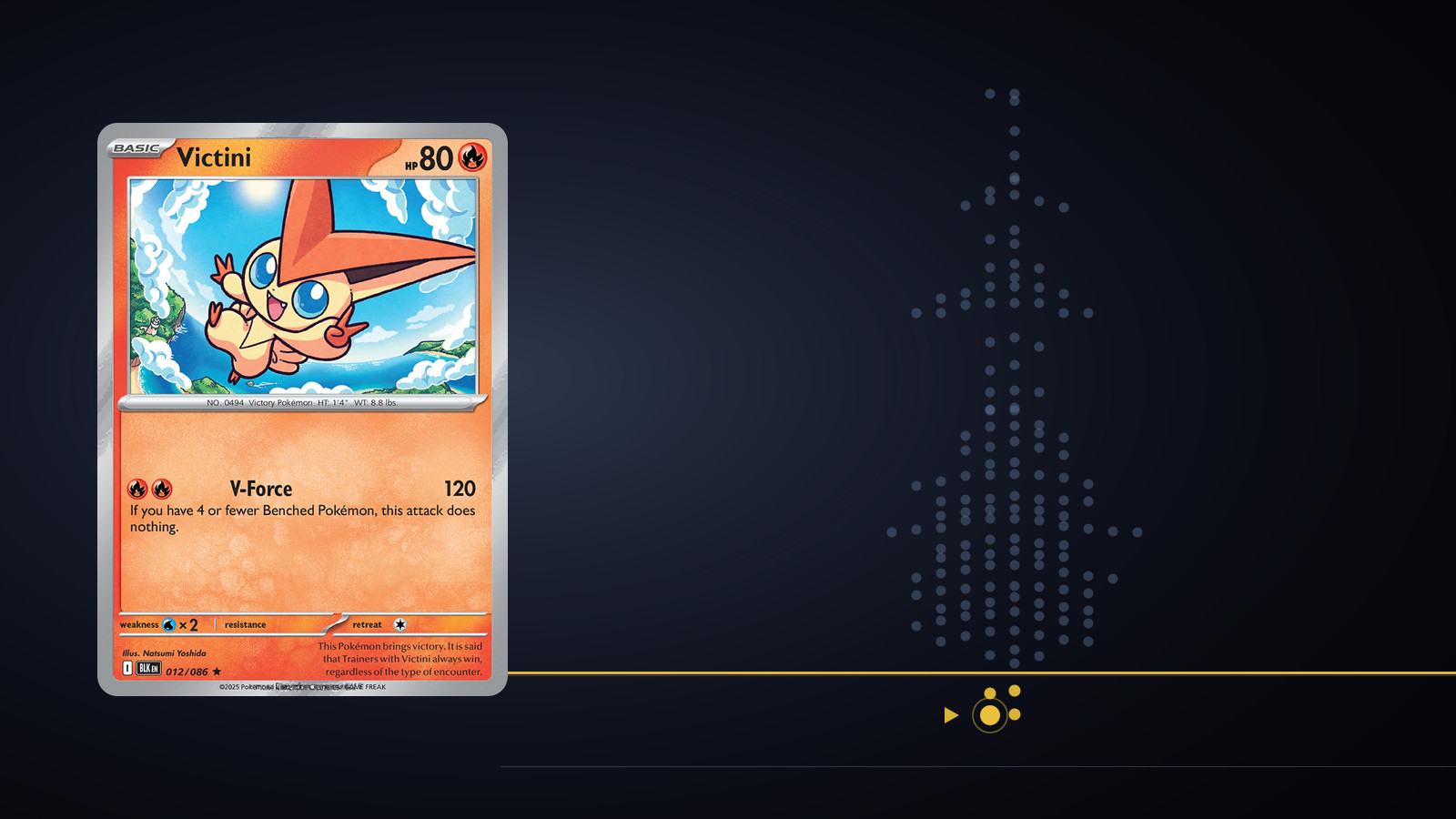
October 28, Victini 12, one nine, 67.54 dollars.
That total is not an asking price and nobody will ever quote it to you. It is what putting a PSA 9 Victini 12 Master Ball Reverse Holo back in the queue costs me tomorrow, counting the sale I give up and the fee PSA starts charging at eight in the morning. PSA's new 39.99 dollar Value tier is the cheapest grading anyone has bought in a year, and it reaches four of the 150 cards our crack board ranks. The 500 dollar ceiling bolted to that fee shuts out nearly everything with a gap worth chasing. The last time a new PSA tier moved these numbers I was reading a Charizard VMAX, and the fee had fallen that week as well.
What PSA's Value tier costs, and the ceiling bolted to it
PSA's pricing page, read this morning, now opens at 39.99 dollars for Value against a 500 dollar insured value, on an estimate of 90 to 100 business days. Standard costs 59.99 and covers 1,000 on 70 to 80 days, Priority costs 79.99 and covers 1,500 on 50 to 60, and Express costs 199.00 and covers 2,500 on 20 to 30. Two of those turnaround figures moved today, the first change on that table since the middle of September. PSA took 20 days off both Standard and Priority for orders posted from this morning onward, and the Value level itself opens tomorrow at eight Pacific across every region the company runs.
Read the company's own note beside that table, because it changes what the 90 to 100 days means. New Value orders are processed behind every order already sitting at PSA, and the backlog stands at 7.2 million items against the 5 million target set in May. More than half of the orders now past their estimate were taken in over five weeks of spring. The cheapest fee in a year therefore buys the longest estimate on the board, and that estimate begins behind a queue whose end nobody outside the building can see.
The ceiling is the part almost nobody plans around, and it is not a polite suggestion either. PSA's terms tell you to pick a level whose maximum insured value exceeds your own estimate of what the item is worth after grading. Submit under that line and PSA may bill you the higher fee instead, or return the card to you unprocessed at your own cost, which is the sort of surprise that turns a cheap submission into an expensive one. What you pay is decided by what a ten of your card sells for rather than by what you would like to spend. That same rule caught a Seismitoad 105 from the other direction in September, when the value of a ten forced the submission up into Express.
Four of the 150 rows on our board sit under 500 dollars
Our crack board ranks 150 cards by the distance between a nine and a ten, weighted by how often a ten actually turns up. Four of those rows carry a PSA 10 price at or under 500 dollars, so four of them can legally be posted at the new fee. Raise the ceiling to Standard's 1,000 and 23 rows qualify, raise it to Priority's 1,500 and 41 do. The median ten on the board sells for 3,225 dollars, which is more than six times the Value ceiling, and that figure is the whole reason the cheap tier and the good rows barely meet.
So the short list is four cards long, and the cheapest ten on the entire board belongs to a Victini. The board is public and you can sort it yourself, but the shape of the whole thing fits inside one sentence. The cards cheap enough for the cheap tier all have thin gaps. A thin gap struggles to pay a grading fee of any size, whichever tier you pick. Those four exceptions are worth checking rather than assuming, so here is the best of them taken apart.
What this one costs to try, and the line nobody prices
Selling either grade costs about 13 percent between the marketplace cut and posting a slab, which is the assumption our board runs on. A nine at 31.67 dollars therefore puts 27.55 in my hand, and for anyone already holding the slab that forgone sale is what trying really costs. Add the 39.99 fee and the attempt has 67.54 dollars to beat. A buyer coming in fresh hands over the full 31.67 instead, so their outlay is 71.66.
One line is missing from all of that, and I would rather say so than leave it out quietly. PSA's shipping page sits behind a sign in, so I cannot read today's postage and insurance schedule without an account, and nothing on this page includes getting the card to California and home again. On a 79.99 dollar fee that omission was small enough to wave at. It is not small against 39.99, and anyone pricing this properly should add their own postage to the 67.54.
The ten pays 265.35 dollars and the nine hands back almost nothing
PriceCharting has the PSA 10 at 362.50 dollars this morning, and its completed sales table supports that figure rather than merely sitting beside it. Three English tens have closed since the twelfth of September, at 325.00, 305.00 and 305.00, so the headline rests on the middle of a real tape. A fourth sale inside that window, at 42.08 on the sixteenth of September, is a Japanese copy and I have thrown it out. Net 305.00 at 13 percent and a ten puts 265.35 dollars in your hand.
The nine is the strange leg, and it is strange in a way that decides things later on. PriceCharting carries the graded nine at 31.67 dollars, the 9.5 at 35.00 and the loose card at 38.79, so both graded tiers under a ten fetch less than an ungraded copy. TCGplayer's market read on the same product this morning is 44.98 with a low ask of 40.00, which puts the raw card higher still. Eleven nines have sold in twelve months at a median of 15.00 dollars, and the 31.67 I am working from is simply the most recent of them.
Work out what that does to a miss, because this is where the card parts company with most of the board. The nine's salvage does not cover the fee, so any submission coming back as anything other than a ten costs the whole 39.99 and the postage I cannot price. PriceCharting shows no graded eight price for this card, and no graded seven either. So the 12 eights sitting in the census have no realised market that I can quote. I have valued every miss at the nine's 27.55, which is generous to the trade rather than careful, and I would rather state that than bury it.
A PSA 9 Victini 12 needs 16.82 percent and the month read 54
Run the line at each fee the ceiling allows and the tier choice matters more here than on anything this column has priced. Holding the slab already, I need 16.82 percent of resubmissions to come back tens at the Value fee, 25.23 at Standard and 33.64 at Priority. A buyer needs 18.55, 26.96 and 35.37 across the same three. Forty dollars of fee moves that line by nearly 17 points, on a card whose entire gap is 330.83 dollars.
GemRate's trailing figure for this print is 54 percent, built on 13 new grades across the last 30 days. The weekly series underneath it adds nine copies over its last four points. That brackets the same window from another direction and tells me the count really is in the low teens. Lifetime across every copy ever submitted is 58.4 percent off 281 grades, so the recent month reads a shade under the card's own history. At 54 percent a holder clears all three tiers and makes 88.42 dollars at the new fee.
Thirteen grades is not a measurement I will defend hard, and the band around it runs from 26.9 percent up to 81.1. Even the bottom of that band clears the Value line of 16.82 and returns about 24 dollars, which is why the gem rate is not where my objection lives. The foil pattern is doing most of the work: the Poke Ball print of this same Victini carries 1,005 grades at a lifetime rate of 7.8 percent, against 58.4 percent here. So the Master Ball pattern grades well and the arithmetic on this card clears its line, and the answer is still hold for a reason that has nothing to do with grading at all.
The market takes under three of these tens a month
This is the part that settles it. PriceCharting's completed table holds 29 PSA 10 sales for this card going back to the fourteenth of December, which is 2.76 a month across ten and a half months, and three of those have closed in the last eight weeks. The card added 13 grades last month and 54 percent came back tens. So roughly seven new tens entered a market that takes fewer than three of them. New tens are therefore arriving about two and a half times faster than the market is carrying the standing ones away.
Set that arrival rate against the 164 tens already standing, and the picture gets worse again. At 2.76 sales a month the standing population alone is near 59 months of stock. A card posted tomorrow joins the back of that line too.
Then look at what a handful of copies did to the price over the summer, which is the part I keep coming back to. The census ran from 262 grades in early August to 281 by the first of October. That is about ten new tens, over a stretch where sales fell from 549.99 and 530.00 in the first half of August to 305.00 by the twelfth of September. Ten tens probably moved that market about 43 percent, which tells you how little weight it takes to move it.
That is the hold, and the gem rate has nothing to do with it. The trade returns 88.42 dollars a card while the market absorbs about three cards a month between everyone doing it, so the edge is real and it is roughly 265 dollars a month for the entire hobby. Doing this at volume is the only way it would ever pay for the attention it takes, and volume is the one thing a market closing three sales a month is never going to hand you. A Mega Greninja ex 122 cleared its own line last week and I held that one too, for a different reason, which makes three clearing trades this column has turned down.
What would have to be true before I posted it
Two things, and both of them are countable rather than matters of taste. The first is the tape: if the tens begin closing six or eight times a month instead of three, this stops being capped by the market and 88 dollars a card turns into something worth the postage. The second is the fall that ran through the summer, which has flattened for now, with the last three sales at 305.00, 305.00 and 325.00 across five weeks. A price down about 43 percent ten weeks ago needs more than five flat weeks before I would post it into a 90 day queue.
The honest counterweight is that every number up there is thin. Twenty nine sales, 13 trailing grades and 11 nine sales across twelve months are small counts, and a reader who thinks I am reading noise has a point I cannot fully answer. None of this predicts where Victini 12 goes next and none of it is financial advice. Hold the slab and watch the sale count, not the price.