CARD HYPE
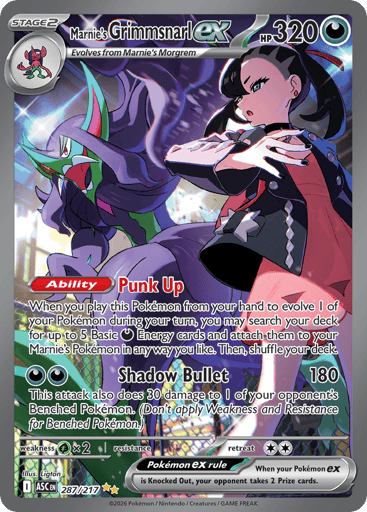
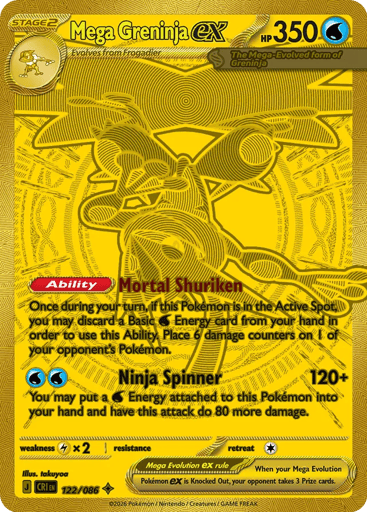
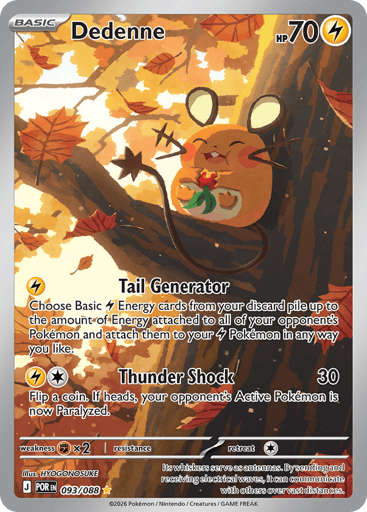
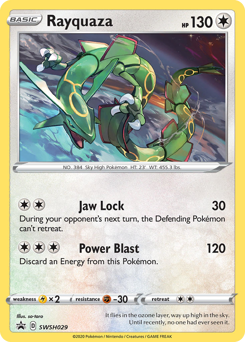
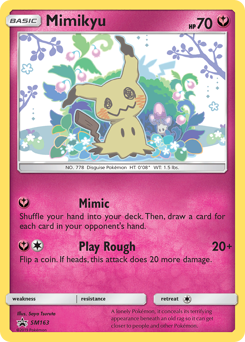
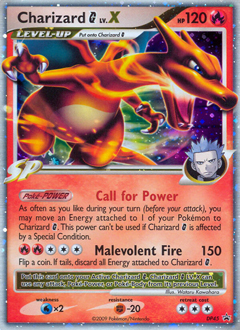
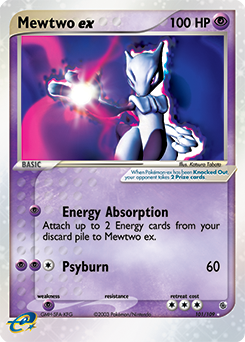
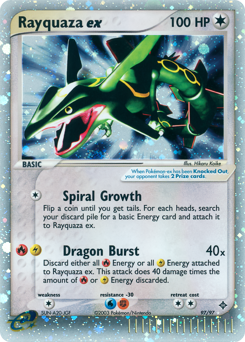
The 400 cards with the most measured market activity right now, sorted from most to least hype. The score is built from transaction shaped data only: how many copies collectors paid PSA to grade in the trailing 30 days, in absolute count and relative to the card's existing graded base, plus 7 day price moves that pass the same consistency screen as the movers page, plus the size of the demand base itself. Population data refreshes weekly and prices land daily, so the board turns over week by week as sets release and cards get hot. No votes, no editorial picks.
THE BOARD
updated 2026-10-01, pops through 2026-09-20 #2
#2
 #3
#3
 #4
#4
 #5
#5
 #6
#6
 #7
#7
 #8
#8
 #9
#9
 #10
#10
 #11
#11
 #12
#12
 #13
#13
 #14
#14
 #15
#15
 #16
#16
 #17
#17
 #18
#18
 #19
#19
 #20
#20
 #21
#21
 #22
#22
 #23
#23
 #24
#24
 #25
#25
 #26
#26
 #27
#27
 #28
#28
 #29
#29
 #30
#30
 #31
#31
 #32
#32
 #33
#33
 #34
#34
 #35
#35
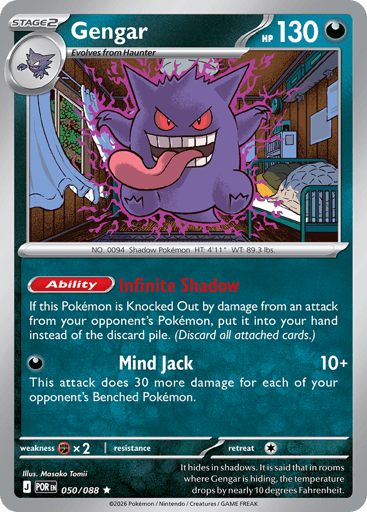 #36
#36
 #37
#37
 #38
#38
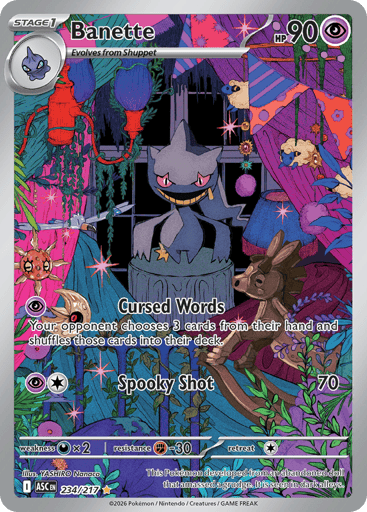 #39
#39
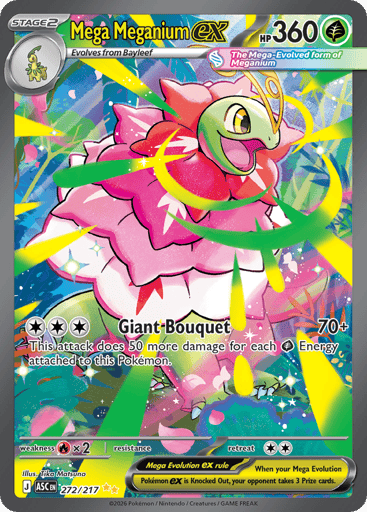 #40
#40
 #41
#41
 #42
#42
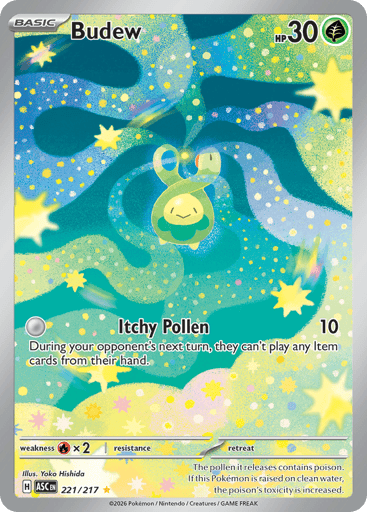 #43
#43
 #44
#44
 #45
#45
 #46
#46
 #47
#47
 #48
#48
 #49
#49
 #50
#50
 #51
#51
 #52
#52
 #53
#53
 #54
#54
 #55
#55
 #56
#56
 #57
#57
 #58
#58
 #59
#59
 #60
#60
 #61
#61
 #62
#62
 #63
#63
 #64
#64
 #65
#65
 #66
#66
 #67
#67
 #68
#68
 #69
#69
 #70
#70
 #71
#71
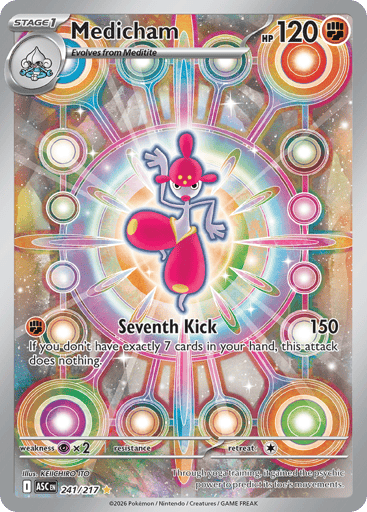 #72
#72
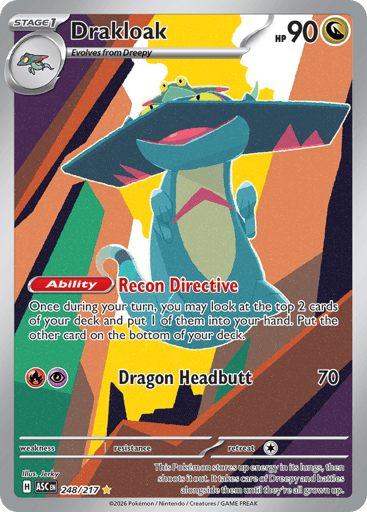 #73
#73
 #74
#74
 #75
#75
 #76
#76
 #77
#77
 #78
#78
 #79
#79
 #80
#80
 #81
#81
 #82
#82
 #83
#83
 #84
#84
 #85
#85
 #86
#86
 #87
#87
 #88
#88
 #89
#89
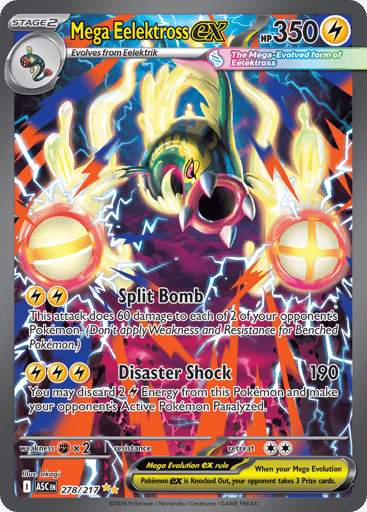 #90
#90
 #91
#91
 #92
#92
 #93
#93
 #94
#94
 #95
#95
 #96
#96
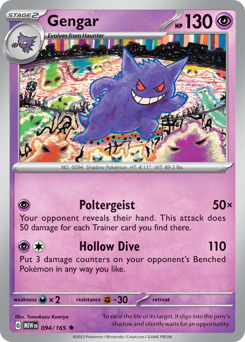 #97
#97
 #98
#98
 #99
#99
 #100
#100
 #101
#101
 #102
#102
 #103
#103
 #104
#104
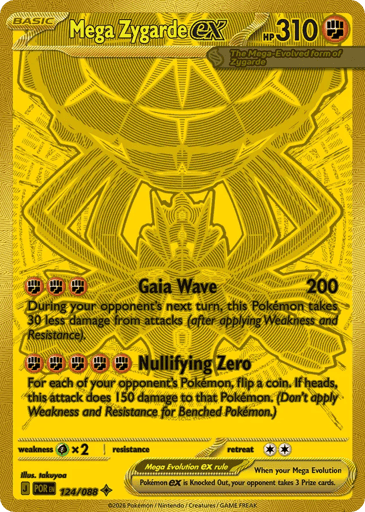 #105
#105
 #106
#106
 #107
#107
 #108
#108
 #109
#109
 #110
#110
 #111
#111
 #112
#112
 #113
#113
 #114
#114
 #115
#115
 #116
#116
 #117
#117
 #118
#118
 #119
#119
 #120
#120
 #121
#121
 #122
#122
 #123
#123
 #124
#124
 #125
#125
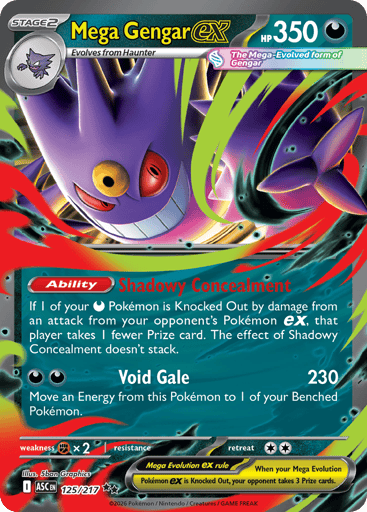 #126
#126
 #127
#127
 #128
#128
 #129
#129
 #130
#130
 #131
#131
 #132
#132
 #133
#133
 #134
#134
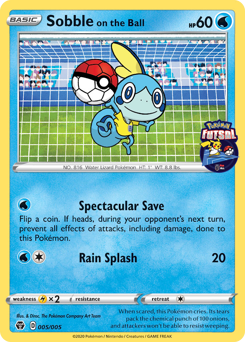 #135
#135
 #136
#136
 #137
#137
 #138
#138
 #139
#139
 #140
#140
 #141
#141
 #142
#142
 #143
#143
 #144
#144
 #145
#145
 #146
#146
 #147
#147
 #148
#148
 #149
#149
 #150
#150
 #151
#151
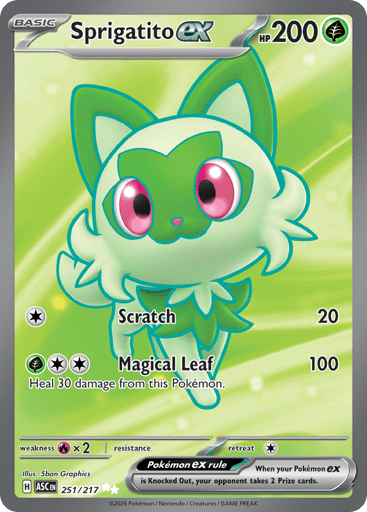 #152
#152
 #153
#153
 #154
#154
 #155
#155
 #156
#156
 #157
#157
 #158
#158
 #159
#159
 #160
#160
 #161
#161
 #162
#162
 #163
#163
 #164
#164
 #165
#165
 #166
#166
 #167
#167
 #168
#168
 #169
#169
 #170
#170
 #171
#171
 #172
#172
 #173
#173
 #174
#174
 #175
#175
 #176
#176
 #177
#177
 #178
#178
 #179
#179
 #180
#180
 #181
#181
 #182
#182
 #183
#183
 #184
#184
 #185
#185
 #186
#186
 #187
#187
 #188
#188
 #189
#189
 #190
#190
 #191
#191
 #192
#192
 #193
#193
 #194
#194
 #195
#195
 #196
#196
 #197
#197
 #198
#198
 #199
#199
 #200
#200
 #201
#201
 #202
#202
 #203
#203
 #204
#204
 #205
#205
 #206
#206
 #207
#207
 #208
#208
 #209
#209
 #210
#210
 #211
#211
 #212
#212
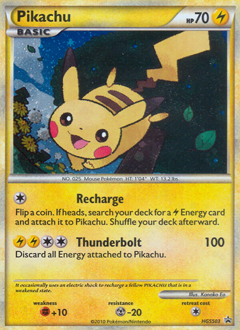 #213
#213
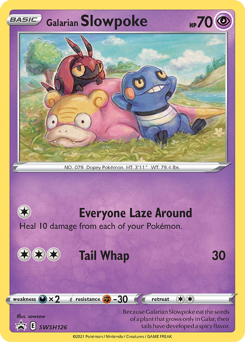 #214
#214
 #215
#215
 #216
#216
 #217
#217
 #218
#218
 #219
#219
 #220
#220
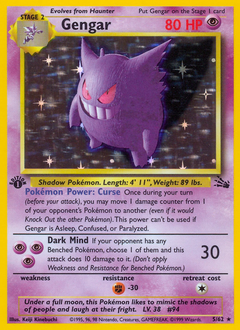 #221
#221
 #222
#222
 #223
#223
 #224
#224
 #225
#225
 #226
#226
 #227
#227
 #228
#228
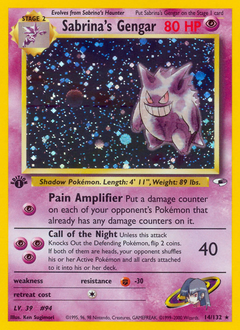 #229
#229
 #230
#230
 #231
#231
 #232
#232
 #233
#233
 #234
#234
 #235
#235
 #236
#236
 #237
#237
 #238
#238
 #239
#239
 #240
#240
 #241
#241
 #242
#242
 #243
#243
 #244
#244
 #245
#245
 #246
#246
 #247
#247
 #248
#248
 #249
#249
 #250
#250
 #251
#251
 #252
#252
 #253
#253
 #254
#254
 #255
#255
 #256
#256
 #257
#257
 #258
#258
 #259
#259
 #260
#260
 #261
#261
 #262
#262
 #263
#263
 #264
#264
 #265
#265
 #266
#266
 #267
#267
 #268
#268
 #269
#269
 #270
#270
 #271
#271
 #272
#272
 #273
#273
 #274
#274
 #275
#275
 #276
#276
 #277
#277
 #278
#278
 #279
#279
 #280
#280
 #281
#281
 #282
#282
 #283
#283
 #284
#284
 #285
#285
 #286
#286
 #287
#287
 #288
#288
 #289
#289
 #290
#290
 #291
#291
 #292
#292
 #293
#293
 #294
#294
 #295
#295
 #296
#296
 #297
#297
 #298
#298
 #299
#299
 #300
#300
 #301
#301
 #302
#302
 #303
#303
 #304
#304
 #305
#305
 #306
#306
 #307
#307
 #308
#308
 #309
#309
 #310
#310
 #311
#311
 #312
#312
 #313
#313
 #314
#314
 #315
#315
 #316
#316
 #317
#317
 #318
#318
 #319
#319
 #320
#320
 #321
#321
 #322
#322
 #323
#323
 #324
#324
 #325
#325
 #326
#326
 #327
#327
 #328
#328
 #329
#329
 #330
#330
 #331
#331
 #332
#332
 #333
#333
 #334
#334
 #335
#335
 #336
#336
 #337
#337
 #338
#338
 #339
#339
 #340
#340
 #341
#341
 #342
#342
 #343
#343
 #344
#344
 #345
#345
 #346
#346
 #347
#347
 #348
#348
 #349
#349
 #350
#350
 #351
#351
 #352
#352
 #353
#353
 #354
#354
 #355
#355
 #356
#356
 #357
#357
 #358
#358
 #359
#359
 #360
#360
 #361
#361
 #362
#362
 #363
#363
 #364
#364
 #365
#365
 #366
#366
 #367
#367
 #368
#368
 #369
#369
 #370
#370
 #371
#371
 #372
#372
 #373
#373
 #374
#374
 #375
#375
 #376
#376
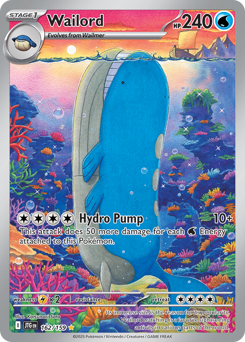 #377
#377
 #378
#378
 #379
#379
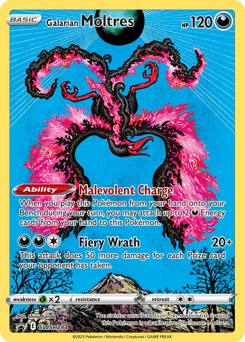 #380
#380
 #381
#381
 #382
#382
 #383
#383
 #384
#384
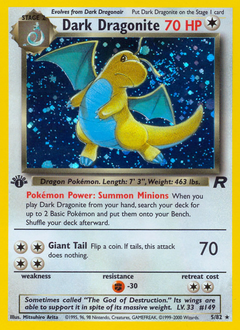 #385
#385
 #386
#386
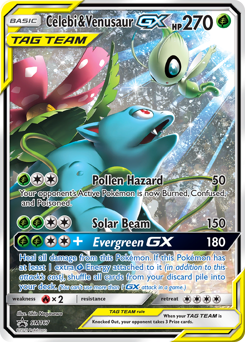 #387
#387
 #388
#388
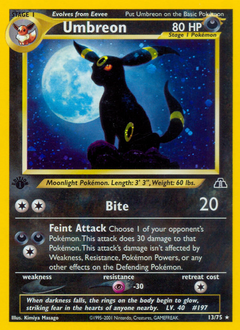 #389
#389
 #390
#390
 #391
#391
 #392
#392
 #393
#393
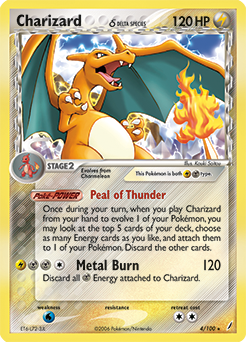 #394
#394
 #395
#395
 #396
#396
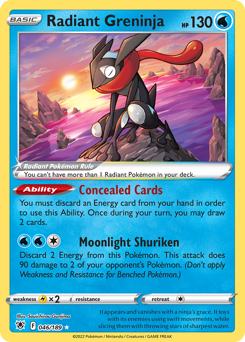 #397
#397
 #398
#398
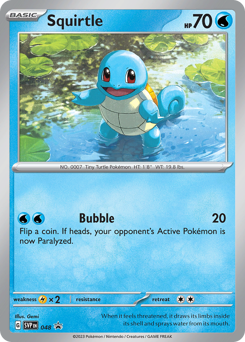 #399
#399
 #400
#400

What this measures, and what it does not
Grading submissions are the closest thing this market has to a public volume tape. Every submission is a real person paying a real fee on a card they bought or intend to sell, and GemRate's population tracking makes that visible card by card. The tracker weights those submissions heaviest, blends in screened price movement and the size of the existing graded base, and ranks the result. What it does not measure: raw TCGplayer sales counts, which no source publishes reliably at card level, and social chatter, which the artist spotlight uses but which is too noisy to attach to card names. Full formula on the methodology page. A card with no card page here links to its TCGplayer listing instead.
Card hype questions
How is a card's hype score calculated?
Four measured components, weighted: PSA grading submissions over the trailing 30 days at 45 percent, those submissions relative to the card's existing graded base at 20 percent, 7 day price movement that passes the movers consistency screen at 25 percent, and the size of the demand base at 10 percent. Each is a standing among all 110,290 tracked cards, recomputed on every refresh. The formula lives on the methodology page.
Why grading submissions instead of sales counts?
Because card level sales counts are not reliably published anywhere, and grading submissions are the closest public proxy: every one is a person who bought a card and paid a fee expecting the slab to be worth it. GemRate makes that visible per card, per month.
Why is the board full of new set cards?
Because that is where the money actually goes. A set release sends thousands of fresh submissions through PSA within weeks, and the board reflects it. Established cards appear when a price move or a submission wave puts them back in play, which is exactly what a hype tracker should show.
How current is this?
Prices are snapshotted daily and population data lands weekly, and every score recomputes on each site refresh. The board you see reflects data through 2026-10-01.