CHEAP SIRS
CHEAPEST FIRST
updated 2026-10-07, pops through 2026-10-01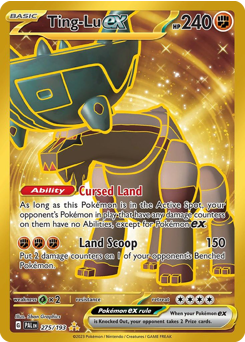 #2
#2
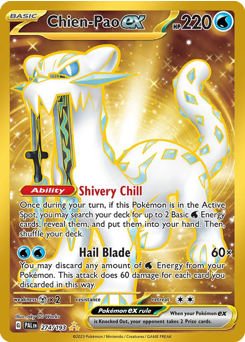 #3
#3
 #4
#4
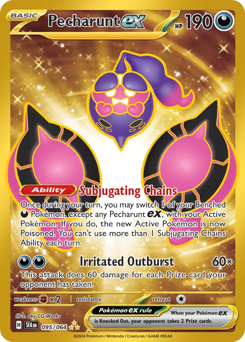 #5
#5
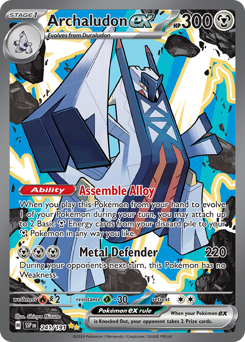 #6
#6
 #7
#7
 #8
#8
 #9
#9
 #10
#10
 #11
#11
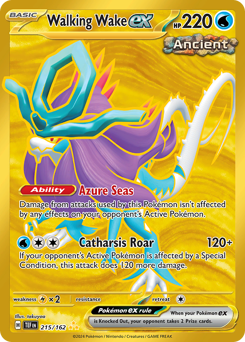 #12
#12
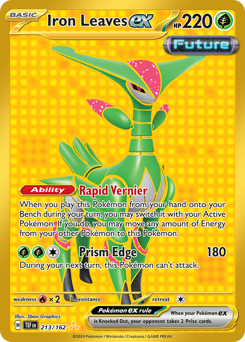 #13
#13
 #14
#14
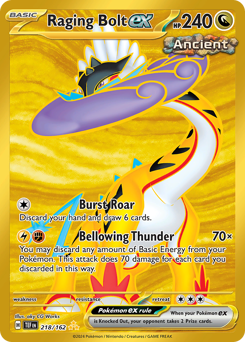 #15
#15
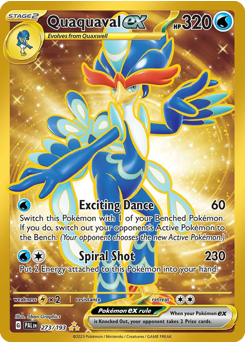 #16
#16
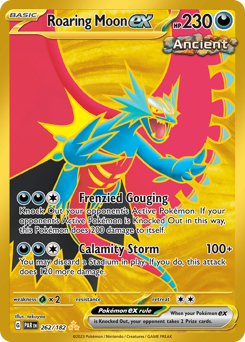 #17
#17
 #18
#18
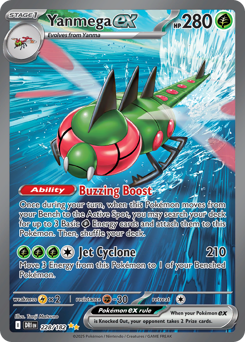 #19
#19
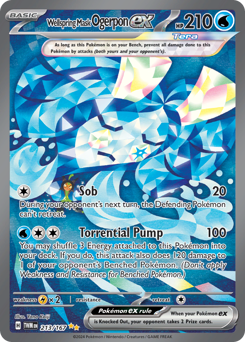 #20
#20
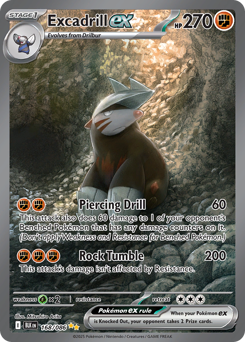 #21
#21
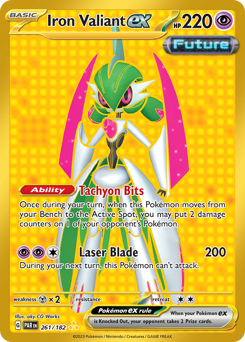 #22
#22
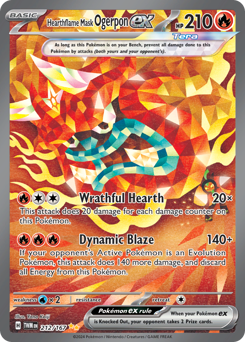 #23
#23
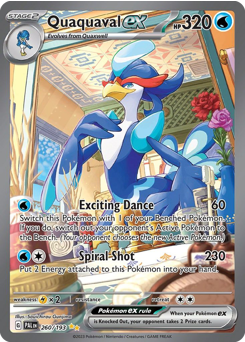 #24
#24
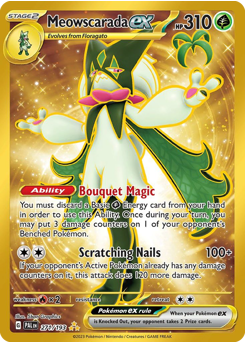 #25
#25
 #26
#26
 #27
#27
 #28
#28
 #29
#29
 #30
#30
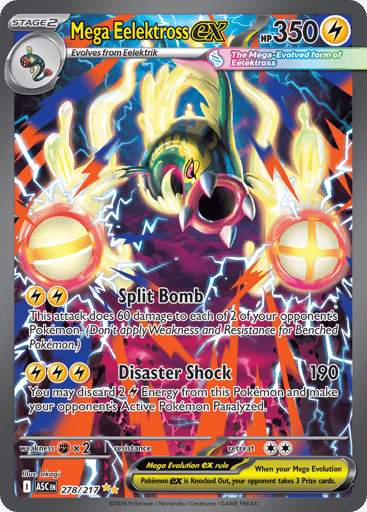 #31
#31
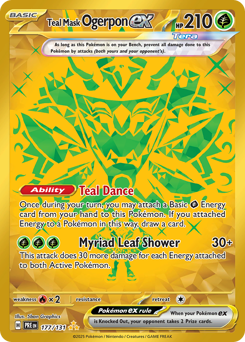 #32
#32
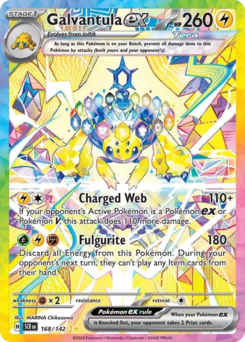 #33
#33
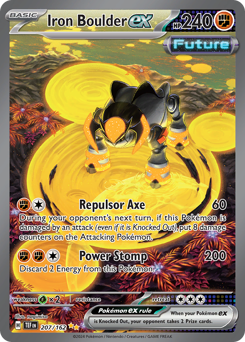 #34
#34
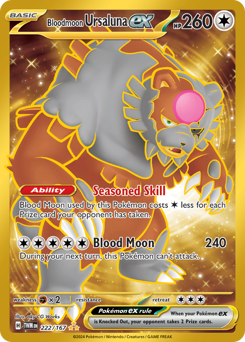 #35
#35
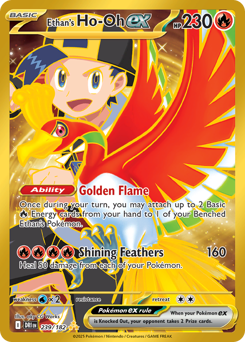 #36
#36
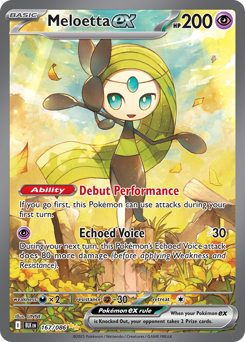 #37
#37
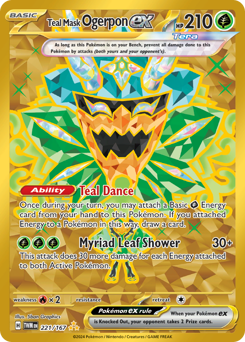 #38
#38
 #39
#39
 #40
#40
 #41
#41
 #42
#42
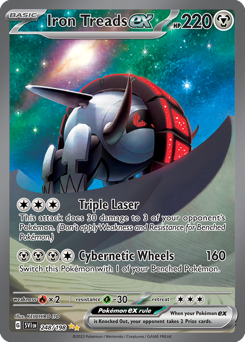 #43
#43
 #44
#44
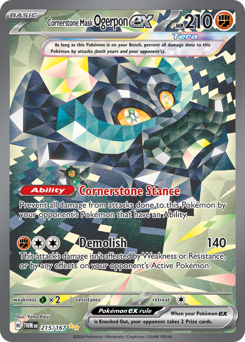 #45
#45
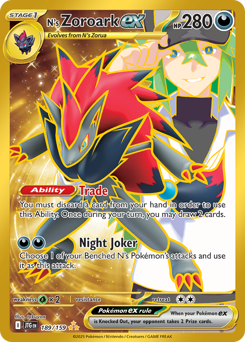 #46
#46
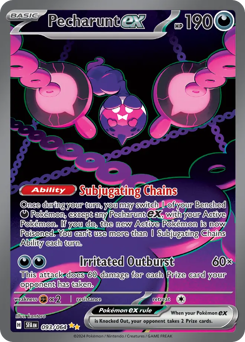 #47
#47
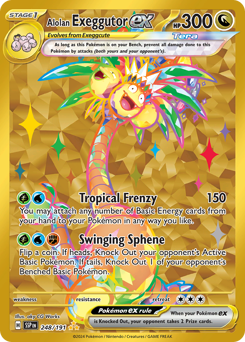 #48
#48
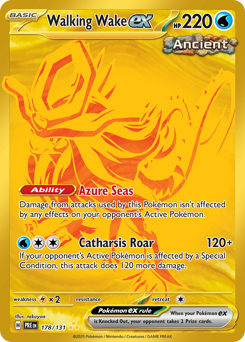 #49
#49
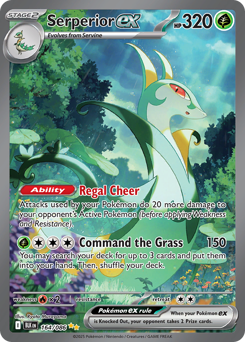 #50
#50
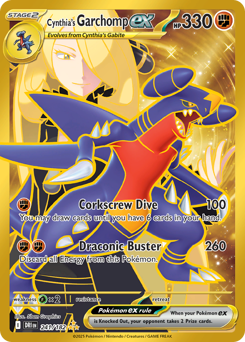 #51
#51
 #52
#52
 #53
#53
 #54
#54
 #55
#55
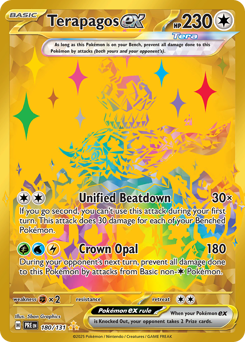 #56
#56
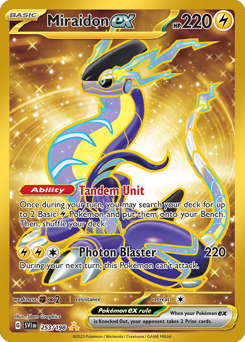 #57
#57
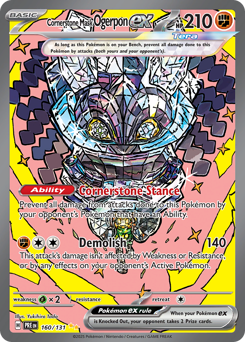 #58
#58
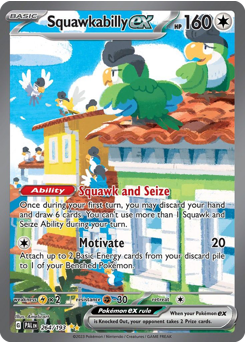 #59
#59
 #60
#60
 #61
#61
 #62
#62
 #63
#63
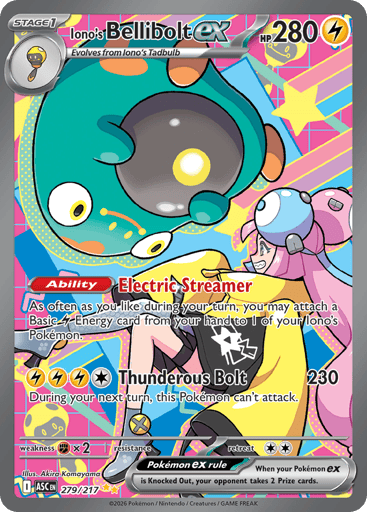 #64
#64
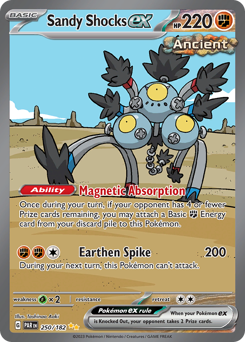 #65
#65
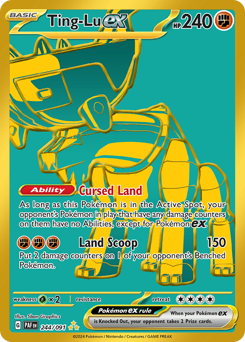 #66
#66
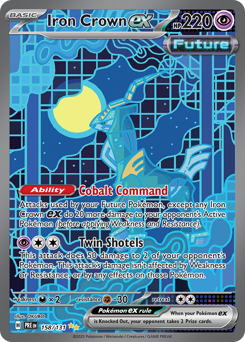 #67
#67
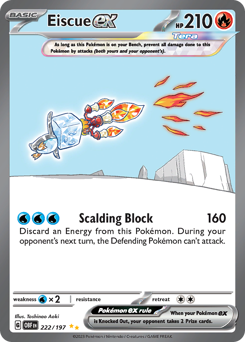 #68
#68
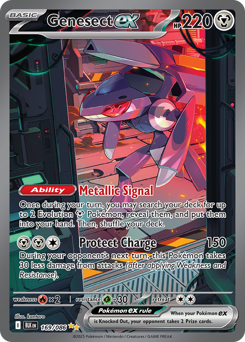 #69
#69
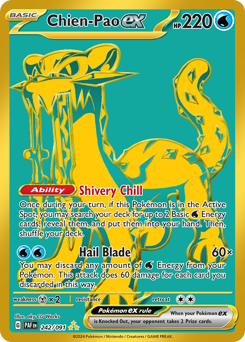 #70
#70
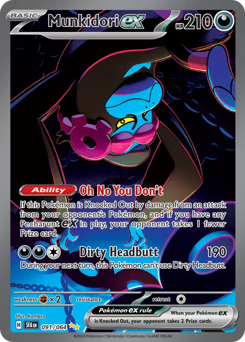 #71
#71
 #72
#72
 #73
#73
 #74
#74
 #75
#75
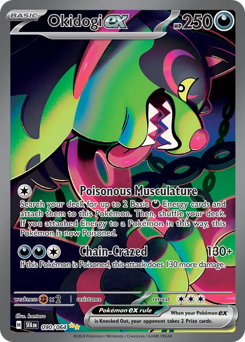 #76
#76
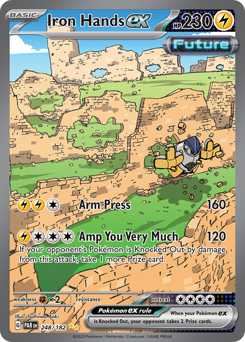 #77
#77
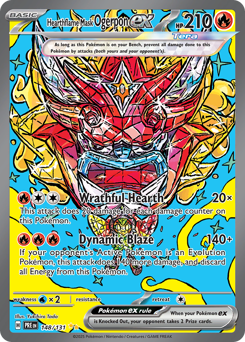 #78
#78
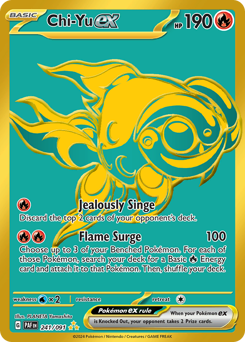 #79
#79
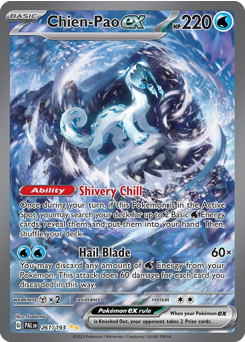 #80
#80
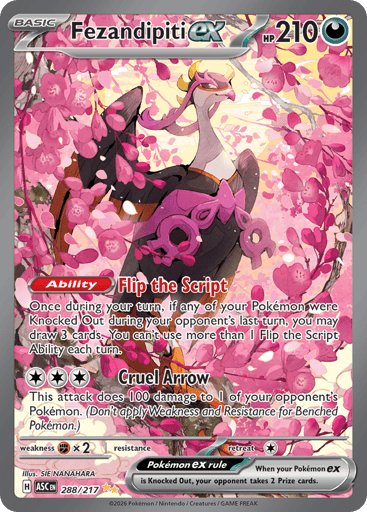 #81
#81
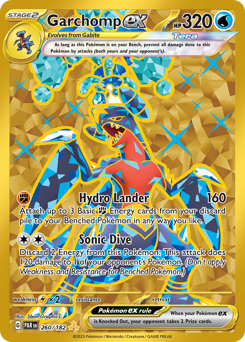 #82
#82
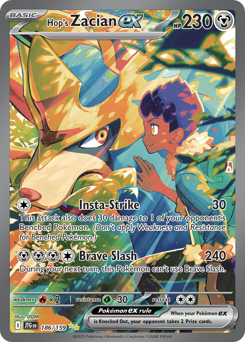 #83
#83
 #84
#84
 #85
#85
 #86
#86
 #87
#87
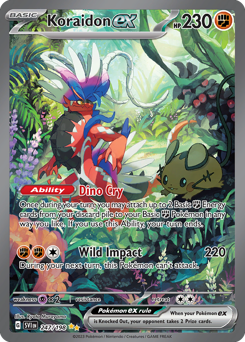 #88
#88
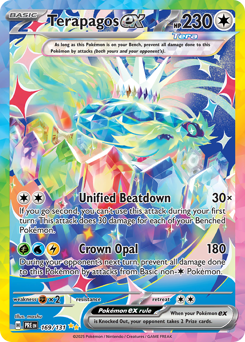 #89
#89
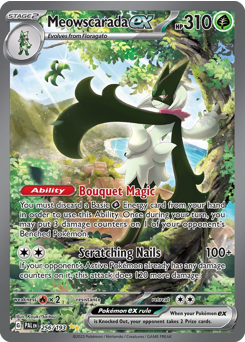 #90
#90
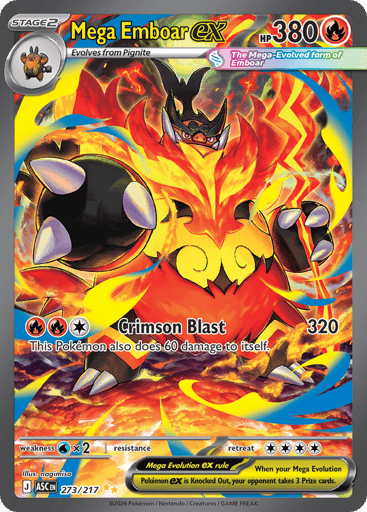 #91
#91
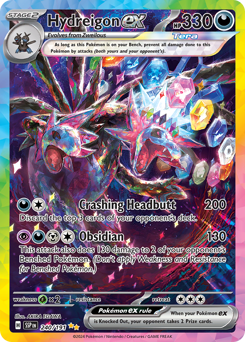 #92
#92
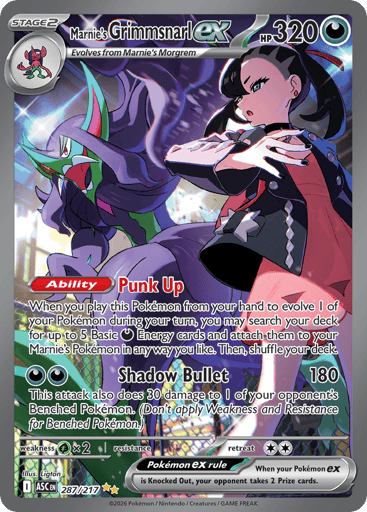 #93
#93
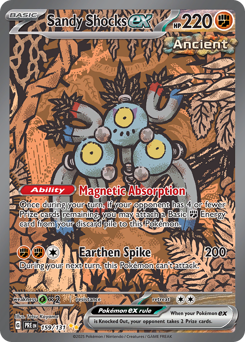 #94
#94
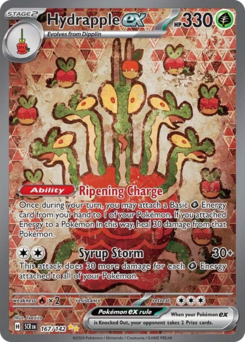 #95
#95
 #96
#96
 #97
#97
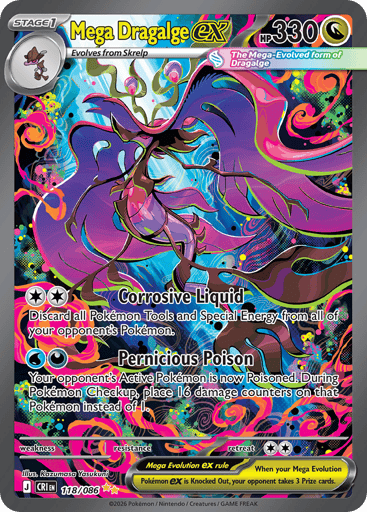 #98
#98
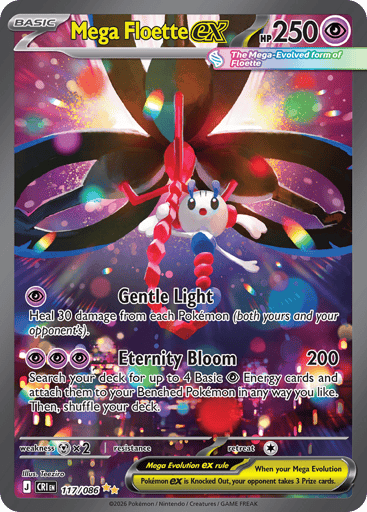 #99
#99
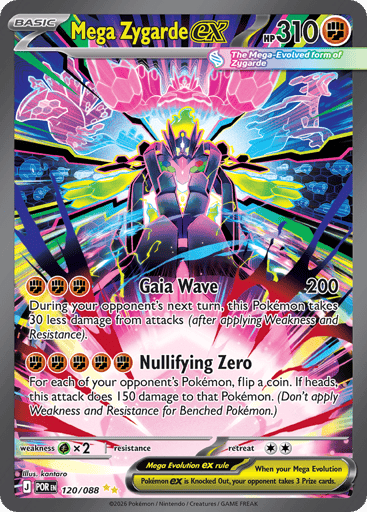 #100
#100
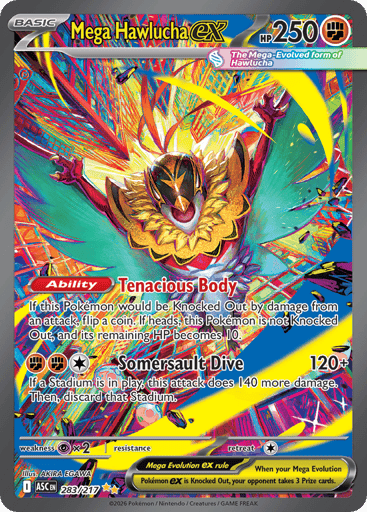 #101
#101
 #102
#102
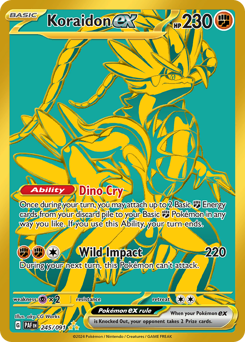 #103
#103
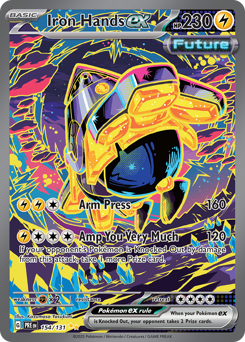 #104
#104
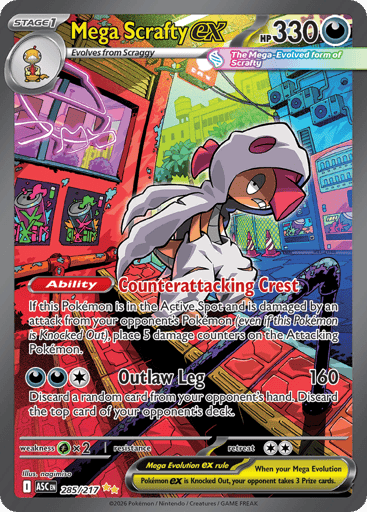 #105
#105
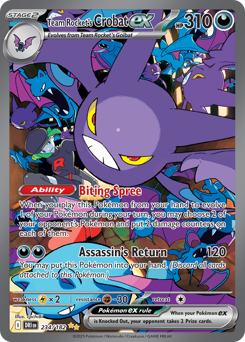 #106
#106
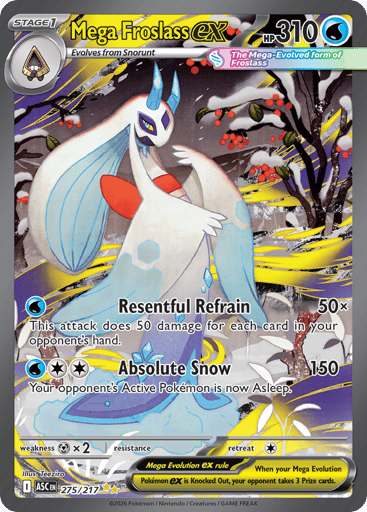 #107
#107
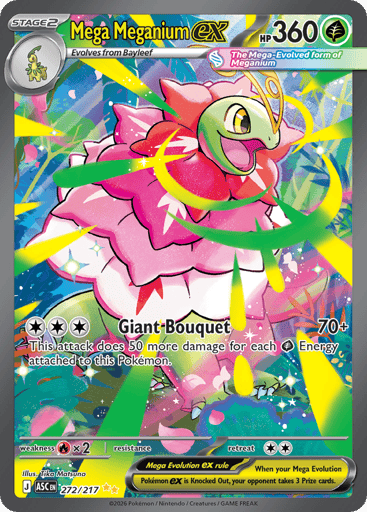 #108
#108
 #109
#109
 #110
#110
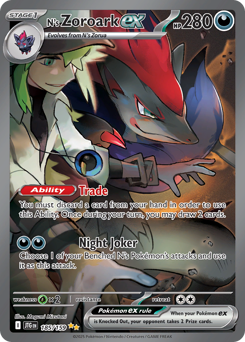 #111
#111
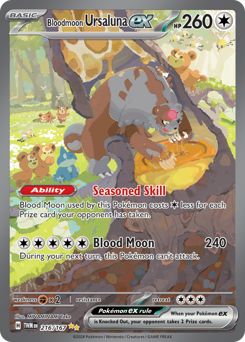 #112
#112
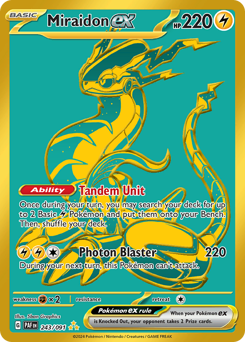 #113
#113
 #114
#114
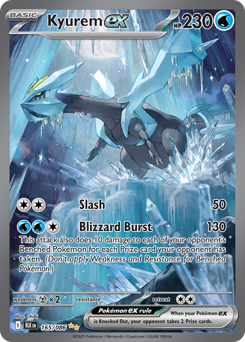 #115
#115
 #116
#116
 #117
#117
 #118
#118
 #119
#119
 #120
#120
 #121
#121
 #122
#122
 #123
#123
 #124
#124
 #125
#125
 #126
#126
 #127
#127
 #128
#128
 #129
#129
 #130
#130
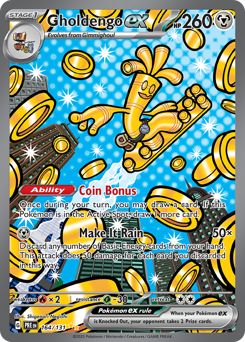 #131
#131
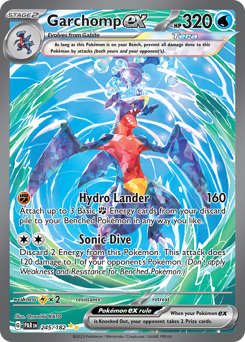 #132
#132
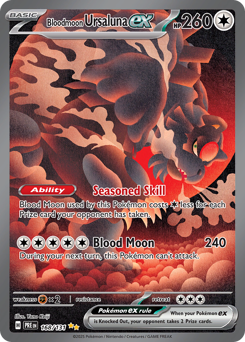 #133
#133
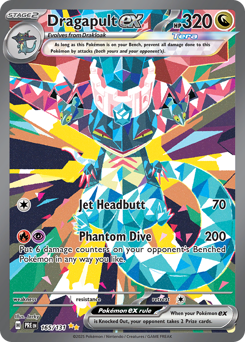 #134
#134
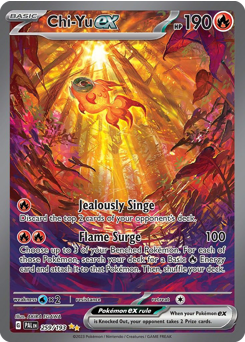 #135
#135
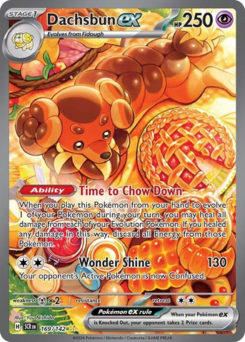 #136
#136
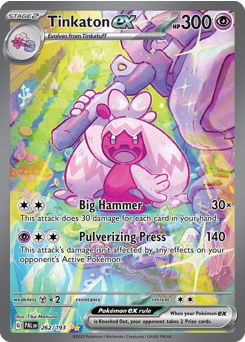 #137
#137
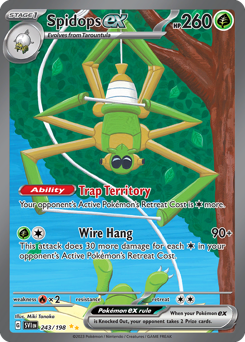 #138
#138
 #139
#139
 #140
#140
 #141
#141
 #142
#142
 #143
#143
 #144
#144
 #145
#145
 #146
#146
 #147
#147
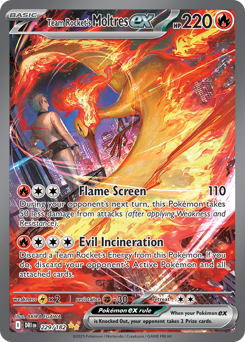 #148
#148
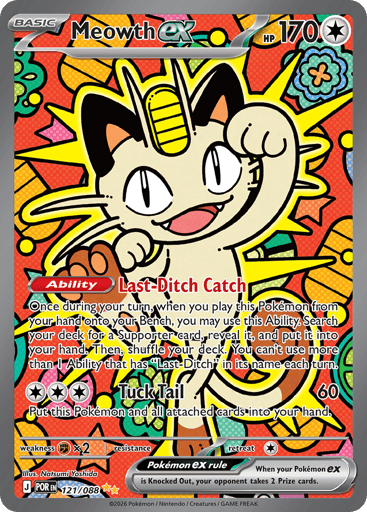 #149
#149
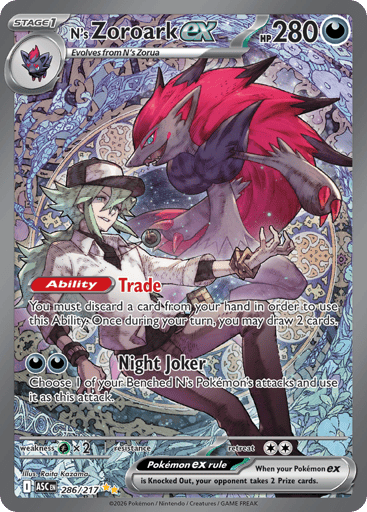 #150
#150
 #151
#151
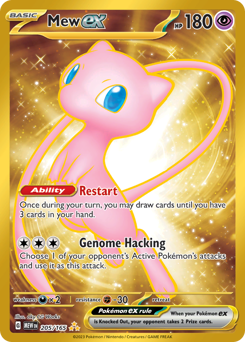 #152
#152
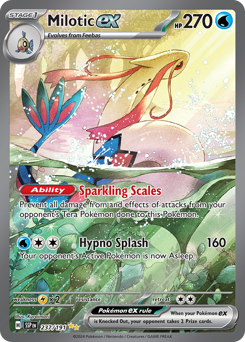 #153
#153
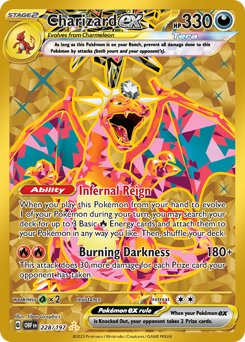 #154
#154
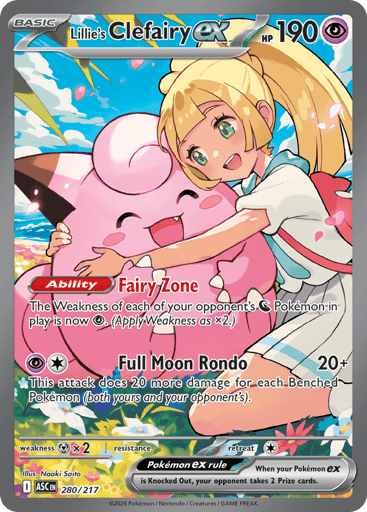 #155
#155
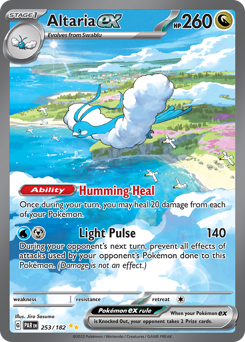 #156
#156
 #157
#157
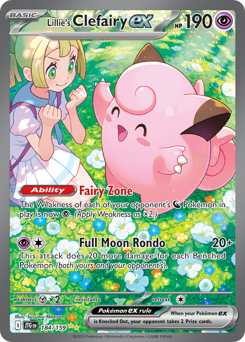 #158
#158
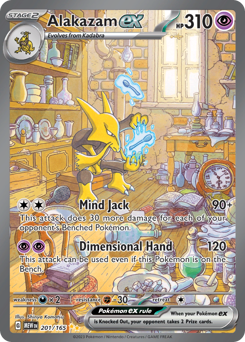 #159
#159
 #160
#160
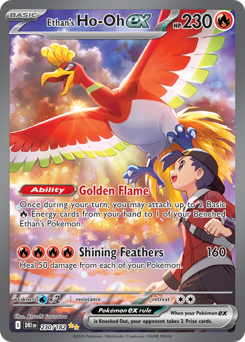 #161
#161
 #162
#162
 #163
#163
 #164
#164
 #165
#165
 #166
#166
 #167
#167
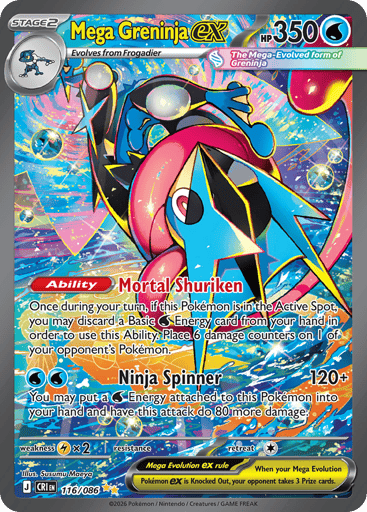 #168
#168
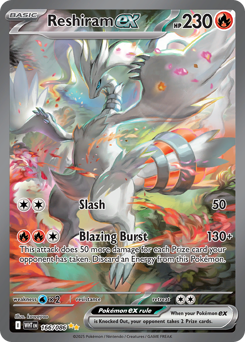 #169
#169
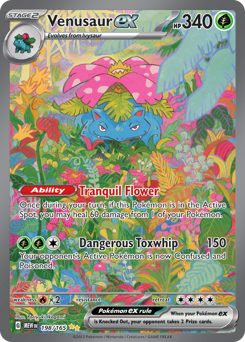 #170
#170
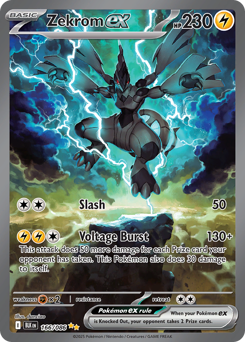 #171
#171
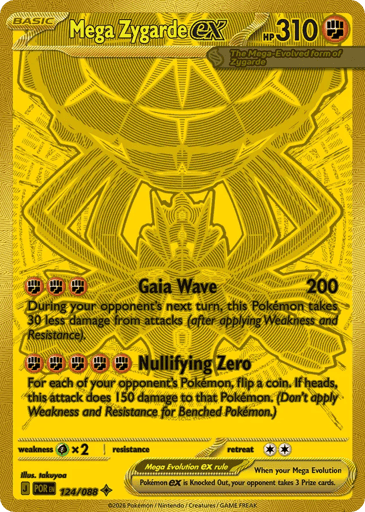 #172
#172
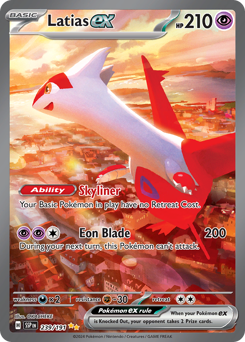 #173
#173
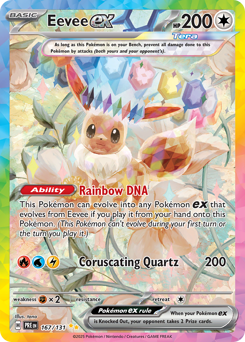 #174
#174
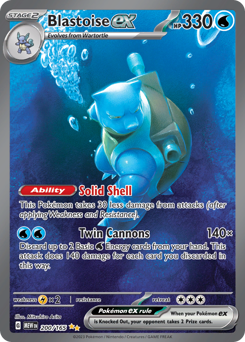 #175
#175
 #176
#176
 #177
#177
 #178
#178
 #179
#179
 #180
#180
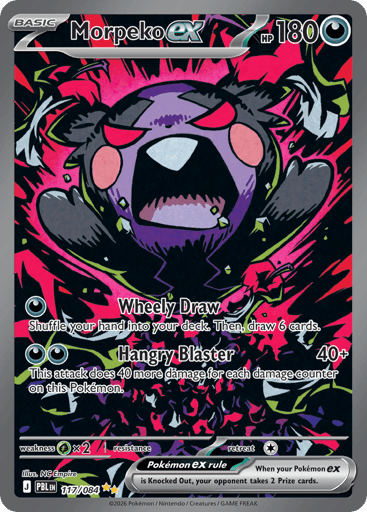 #181
#181
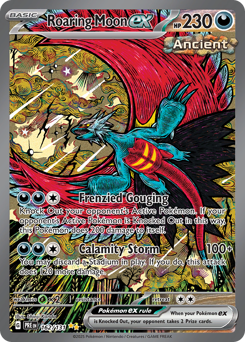 #182
#182
 #183
#183
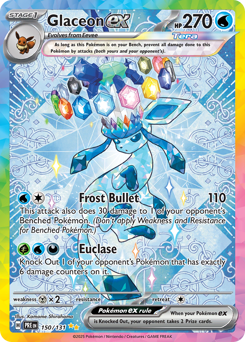 #184
#184
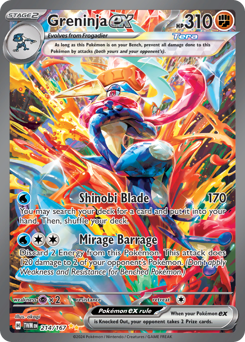 #185
#185
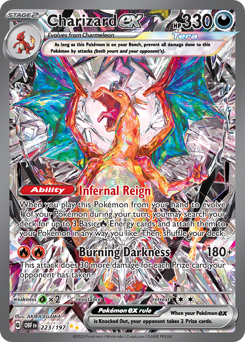 #186
#186
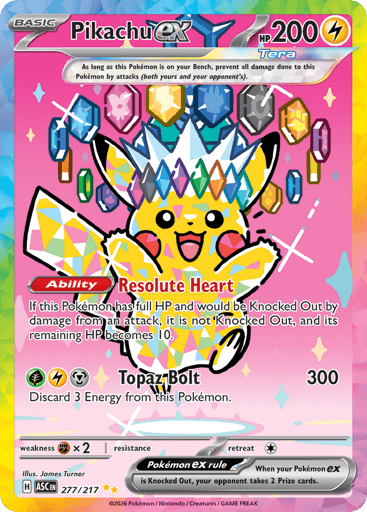 #187
#187
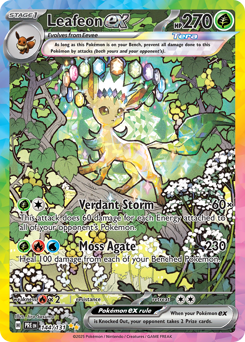 #188
#188
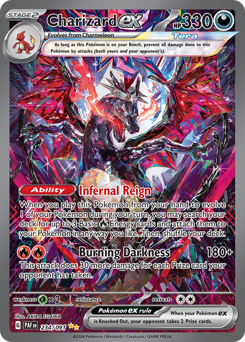 #189
#189
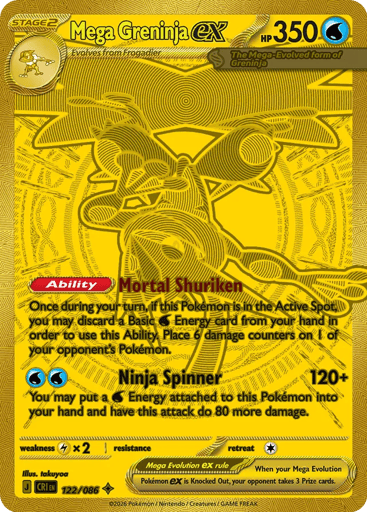 #190
#190
 #191
#191
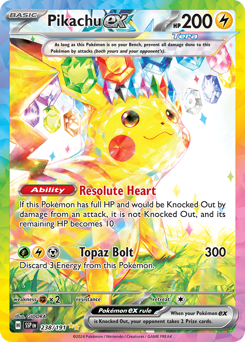 #192
#192
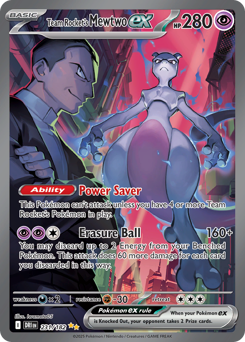 #193
#193
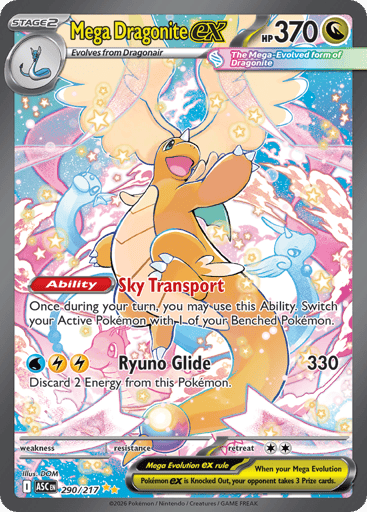 #194
#194
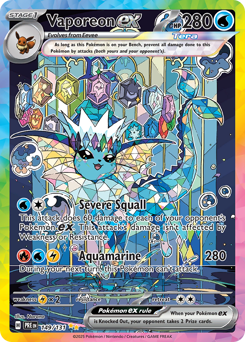 #195
#195
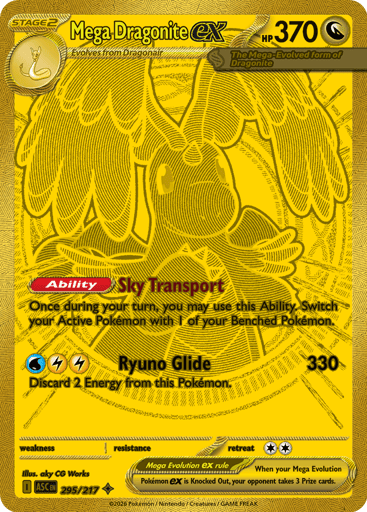 #196
#196
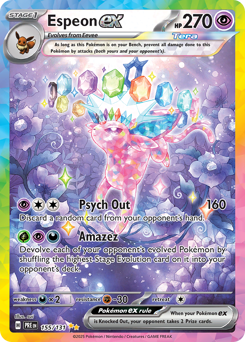 #197
#197
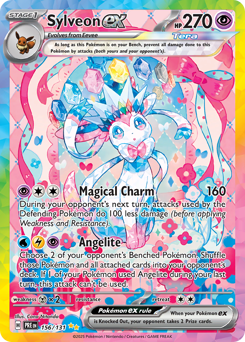 #198
#198
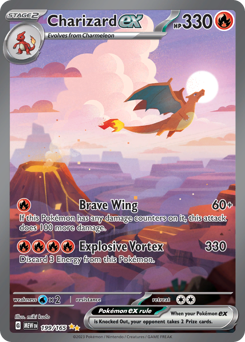 #199
#199
 #200
#200
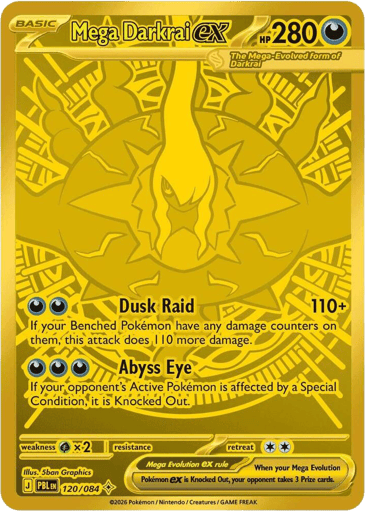 #201
#201
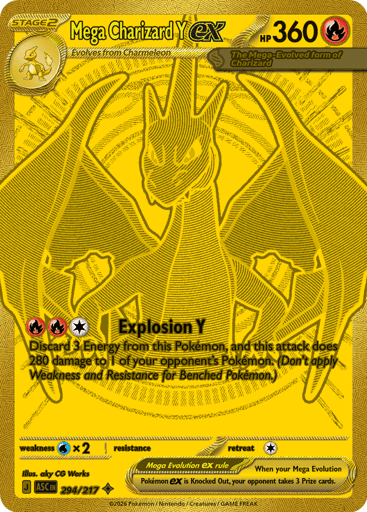 #202
#202
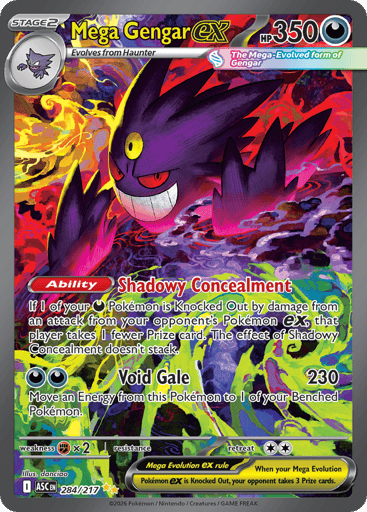 #203
#203
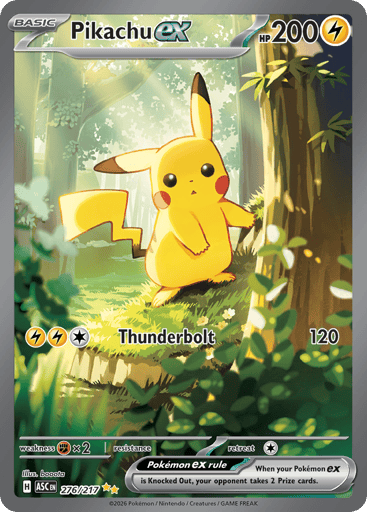 #204
#204
 #205
#205
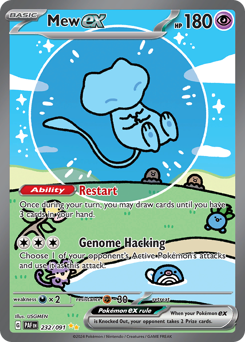 #206
#206
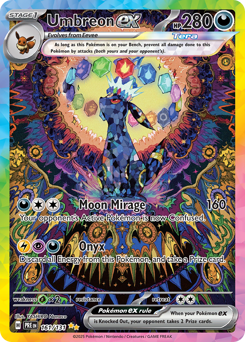
Where these prices come from
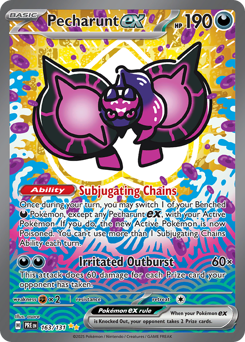
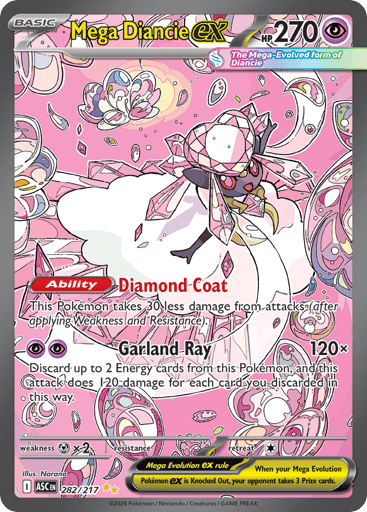
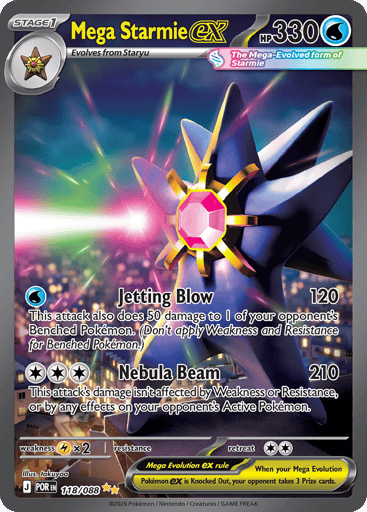
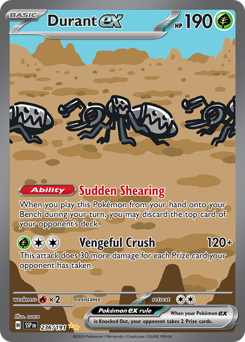
Each figure is PriceCharting's current PSA 10 market price for that exact card, read from the set's own price listing and joined by card number, so an SIR's price can never be confused with the base print's. Populations and gem rates are PSA data tracked by GemRate. The join method and its limits are documented on the methodology page. Tiles link to eBay so you can check the figure against real asking prices before believing it; a quoted market price and the cheapest live slab are rarely the same number.
Cheap SIR questions
What counts as an SIR or a hyper rare here?
The rarity printed in the card database: Special Illustration Rare for the alternate full art chase cards, and Hyper Rare (including the Mega era's Mega Hyper Rare) for the gold cards. Both rarities exist from Scarlet and Violet onward, and every English Pokemon card of either rarity across all 22 tracked sets appears on the board as soon as PriceCharting carries a PSA 10 price for it.
Why are there no gold trainers or energies?
House rule: this board lists Pokemon only. Gold items, supporters, stadiums, and energies technically share the hyper rare tier, and trainer SIRs exist too, but a list of cheap SIRs full of Nest Balls and basic energy cards would bury the cards people actually come looking for. Those prints are still tracked elsewhere on the site where relevant.
Where does the PSA 10 price come from?
From PriceCharting's own set listings, which quote a current market price for the exact card in PSA 10. The join is by card number, and in these sets the SIR and the hyper rare each have their own number, so the figure can never belong to a different print of the same Pokemon. Prices refresh with every site data update; the methodology page has the full method.
Why would a chase rarity be this cheap?
Print volume. Modern sets are printed in enormous quantities, and an SIR of an unpopular Pokemon in a heavily opened set can sit under the price of dinner even in PSA 10. Cheap also does not mean mispriced: most of these cards are cheap because supply comfortably exceeds demand, which the population column under each price makes visible.
Is a cheap PSA 10 SIR a good investment?
Usually not, and this page makes no such claim. What a list like this is actually for: finding art you love at the bottom of the market, seeding a collection cheaply, or spotting the occasional card whose price has not caught up to a small population. Check the population and gem rate under each price before reading anything into it. Graded cards are speculative and illiquid; nothing here is financial advice.