PSA 9 ARBITRAGE
The crack and regrade play, ranked. Buy the graded 9, crack the slab, resubmit the raw card, and the distance between the 9 price and the 10 price is the prize. This board ranks every tracked English card by that gap, weighted toward newer cards, because the whole bet is the card actually coming back a 10: a modern 9 is often one grader's centering call away from gem mint, while a vintage 9 earned its grade and keeps its flaws through any resubmission. Every tile shows both prices, the card's own gem rate, and the share of cracks that would have to hit just to break even at the PSA Regular fee of $79.99. The full formula lives on the methodology page.
THE GAP BOARD
150 cards, sorted by crack score, prices 2026-10-06, pops through 2026-10-01 GAP $499,001
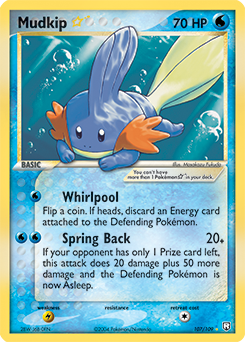 GAP $1,755
 GAP $2,514
 GAP $991
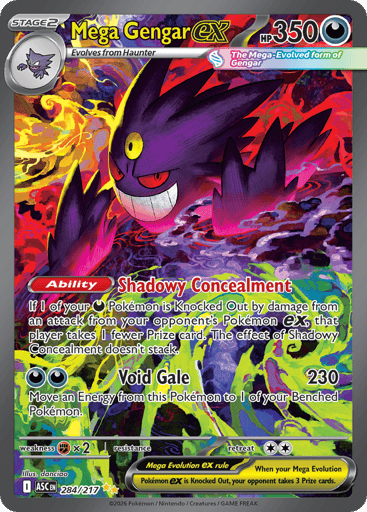 GAP $1,001
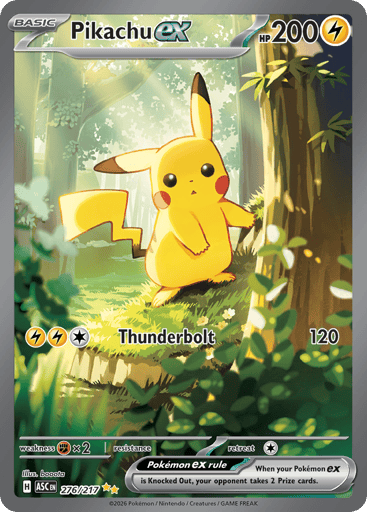 GAP $87,594
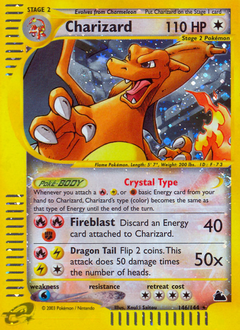 GAP $2,023
 GAP $853
 GAP $159,556
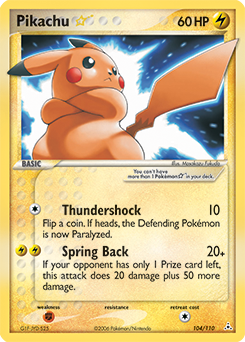 GAP $229,601
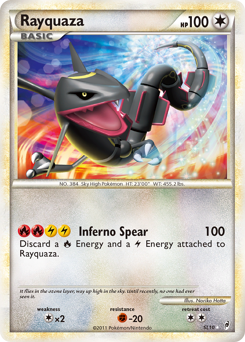 GAP $1,580
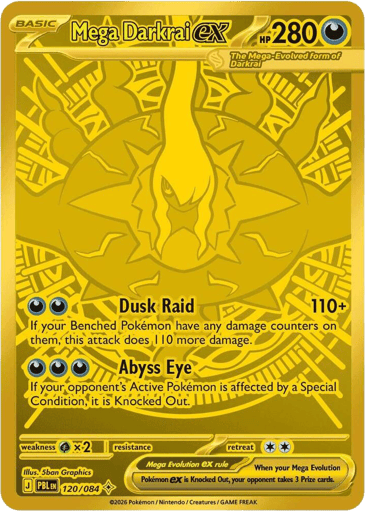 GAP $1,358
 GAP $302,250
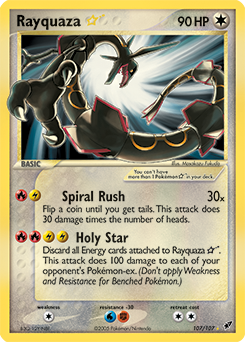 GAP $551
 GAP $996
 GAP $3,286
 GAP $6,608
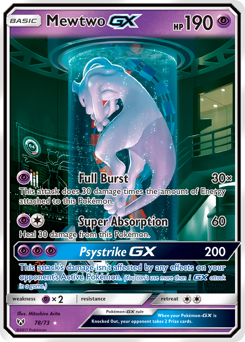 GAP $75,750
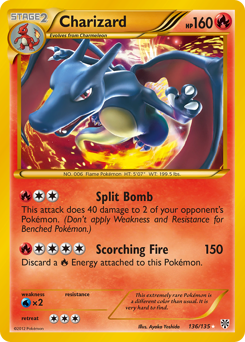 GAP $1,525
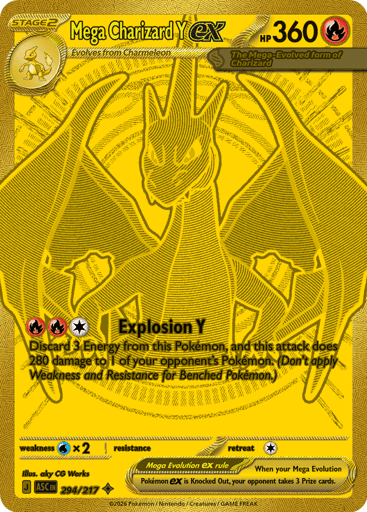 GAP $8,974
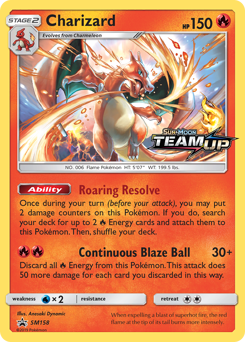 GAP $45,121
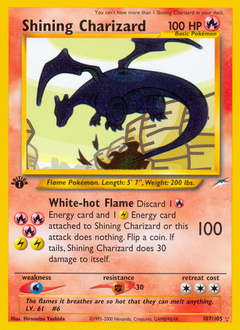 GAP $356,378
 GAP $6,505
 GAP $2,228
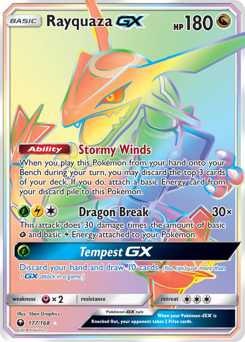 GAP $5,198
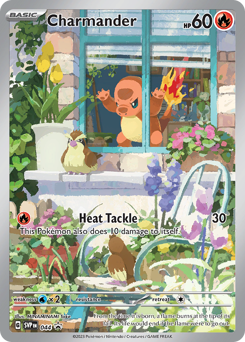 GAP $767
 GAP $7,973
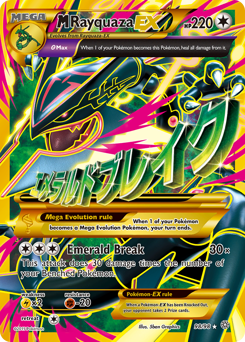 GAP $1,596
 GAP $28,671
 GAP $486
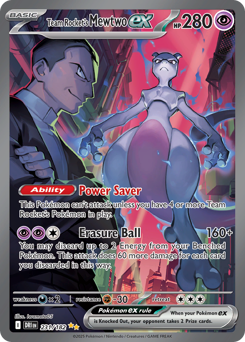 GAP $458
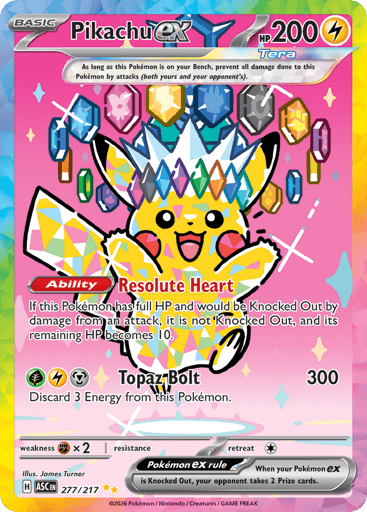 GAP $2,167
 GAP $942
 GAP $145,014
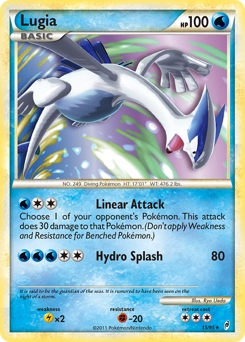 GAP $175,963
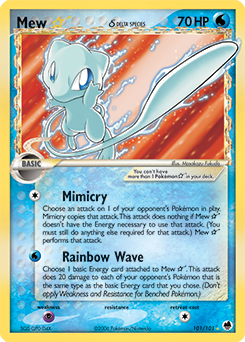 GAP $6,134
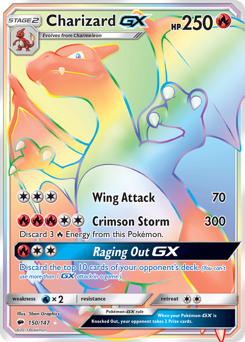 GAP $1,570
 GAP $358
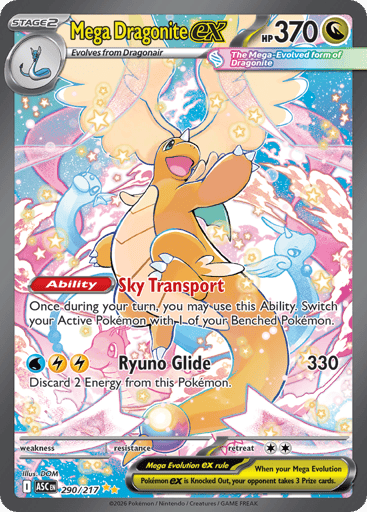 GAP $2,169
 GAP $105,000
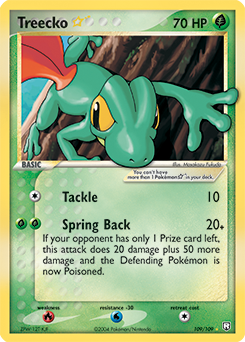 GAP $2,034
 GAP $1,768
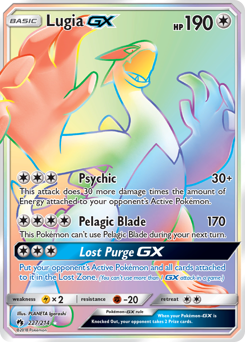 GAP $28,638
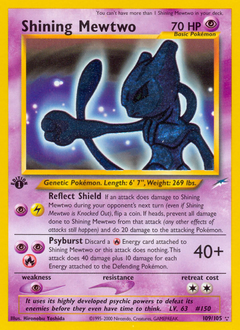 GAP $809
 GAP $301
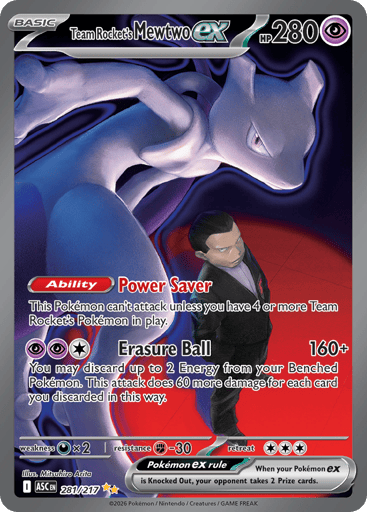 GAP $1,010
 GAP $724
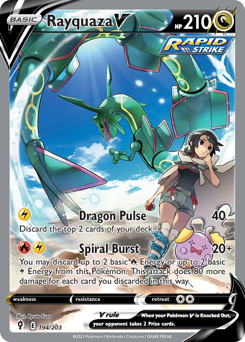 GAP $77,244
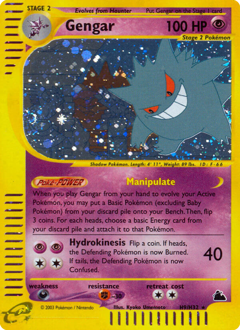 GAP $385
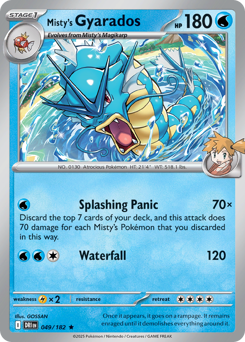 GAP $77,699
 GAP $873
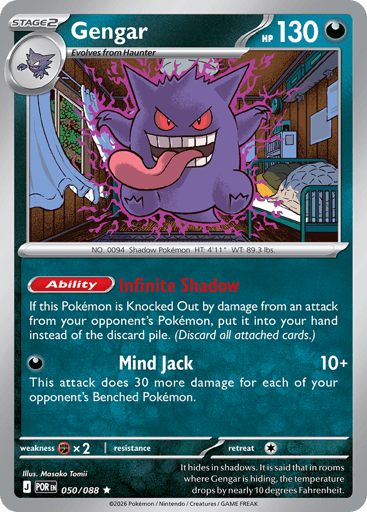 GAP $3,576
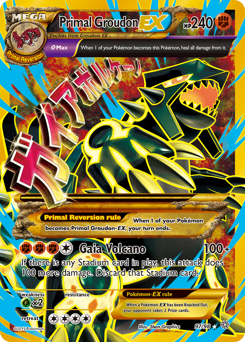 GAP $253
 GAP $47,930
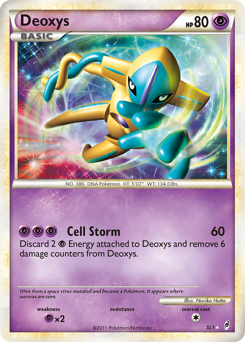 GAP $586
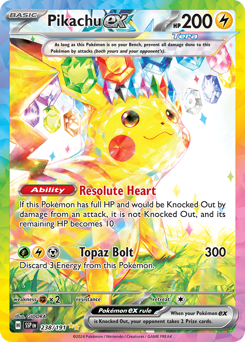 GAP $4,879
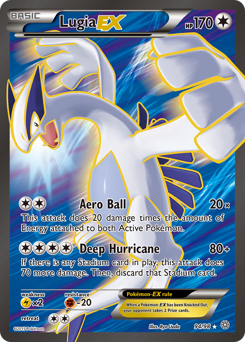 GAP $753
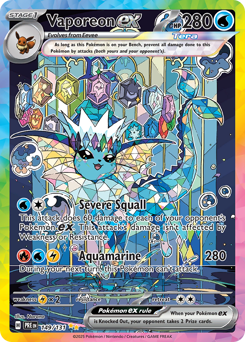 GAP $714
 GAP $633
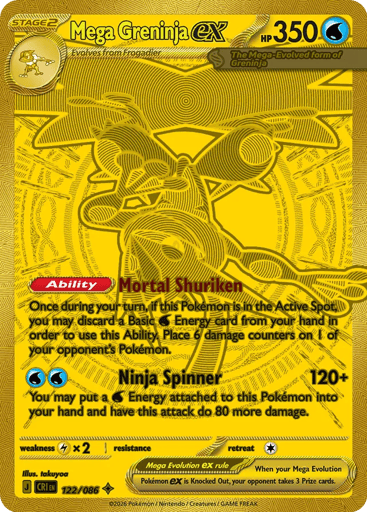 GAP $298
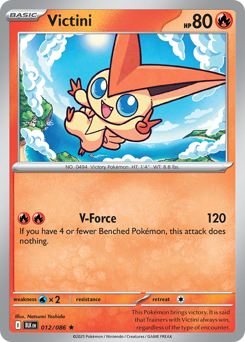 GAP $1,015
 GAP $3,073
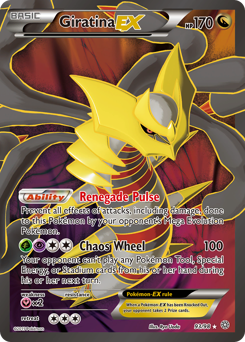 GAP $4,288
 GAP $38,995
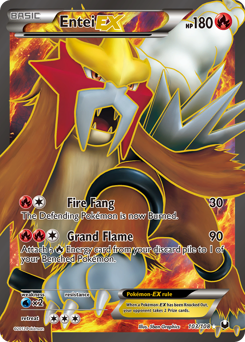 GAP $6,355
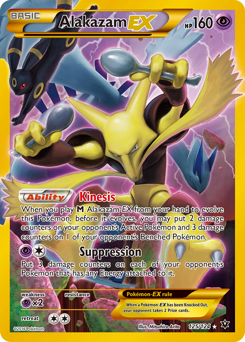 GAP $314
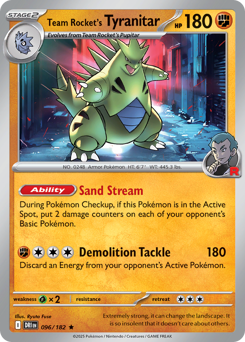 GAP $561
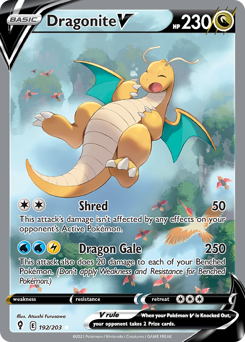 GAP $304,084
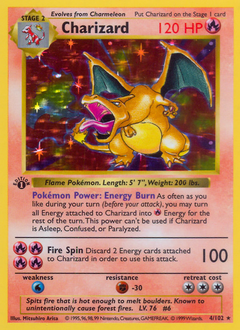 GAP $20,015
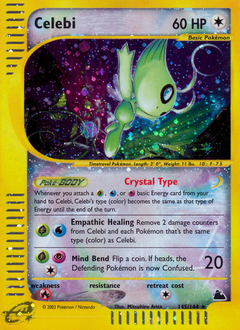 GAP $1,575
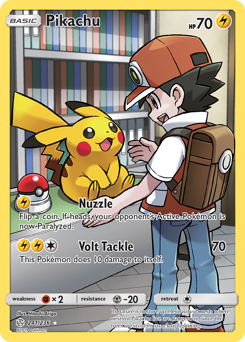 GAP $45,846
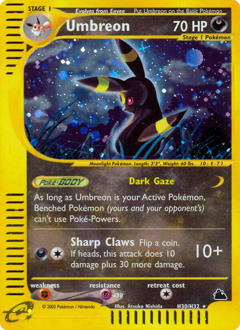 GAP $4,432
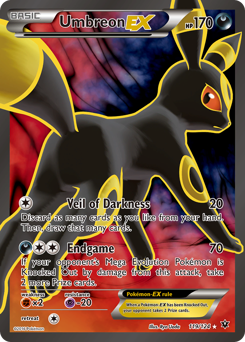 GAP $827
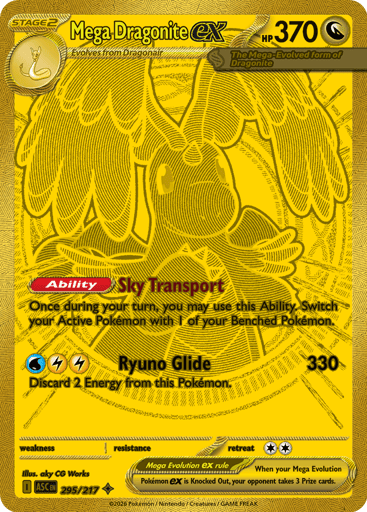 GAP $490
 GAP $3,768
 GAP $730
 GAP $43,128
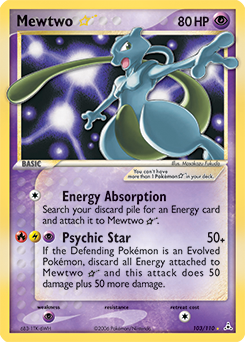 GAP $421
 GAP $1,948
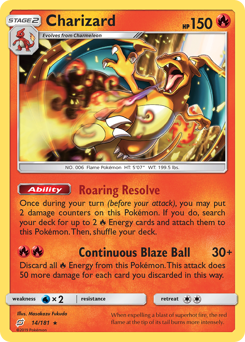 GAP $1,752
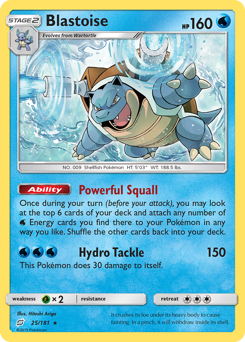 GAP $278
 GAP $1,495
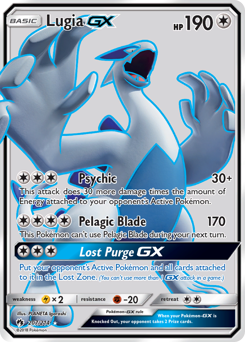 GAP $1,478
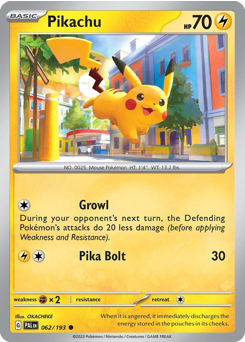 GAP $462
 GAP $477
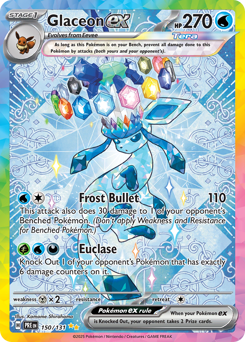 GAP $490
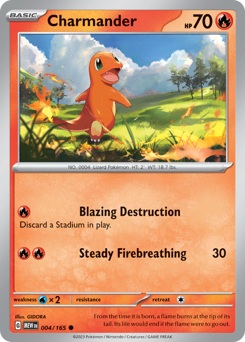 GAP $472
 GAP $256
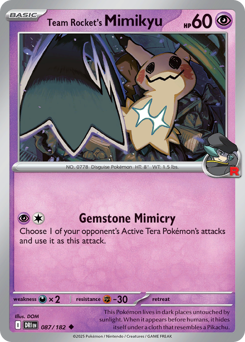 GAP $2,215
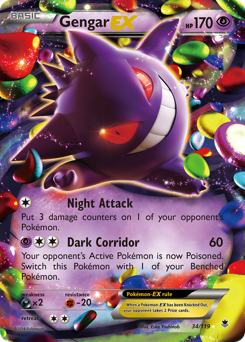 GAP $445
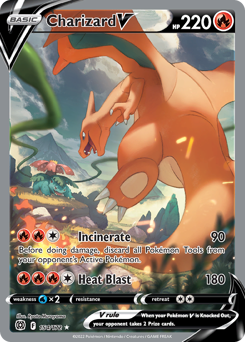 GAP $3,187
 GAP $14,750
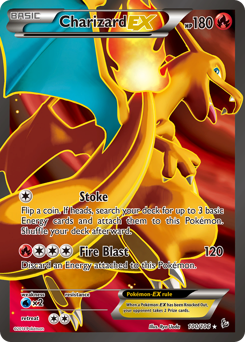 GAP $3,156
 GAP $28,457
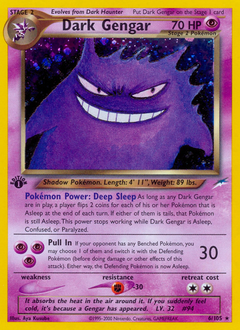 GAP $352
 GAP $434
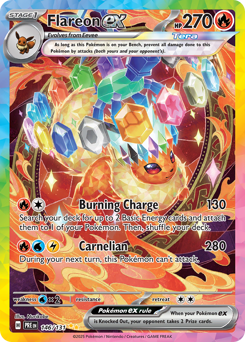 GAP $604
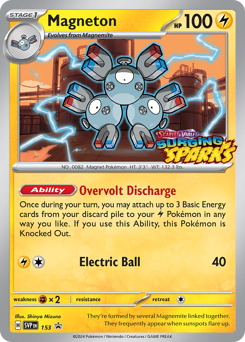 GAP $207
 GAP $476
 GAP $71,103
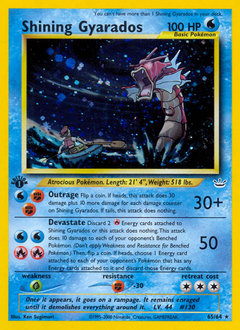 GAP $383
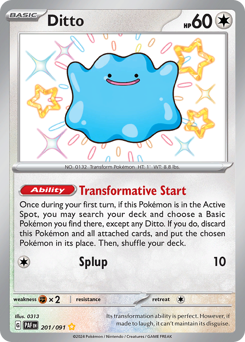 GAP $21,399
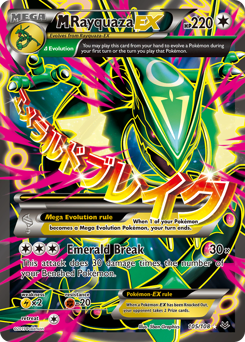 GAP $1,072
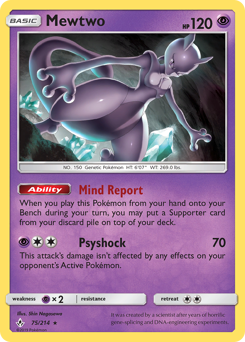 GAP $3,893
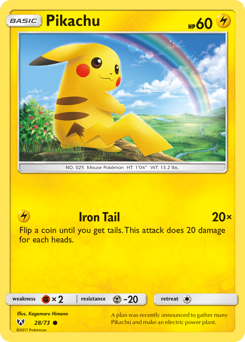 GAP $551
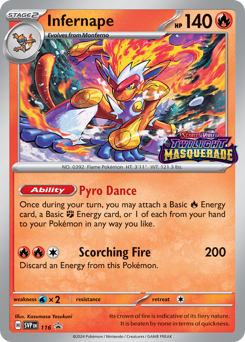 GAP $324
 GAP $35,378
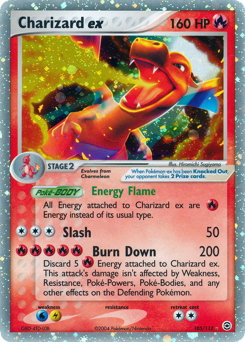 GAP $4,528
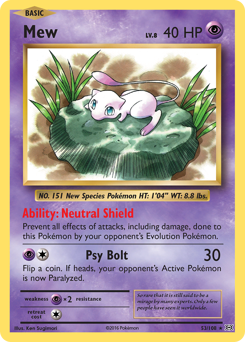 GAP $3,060
 GAP $343
 GAP $31,461
 GAP $162,465
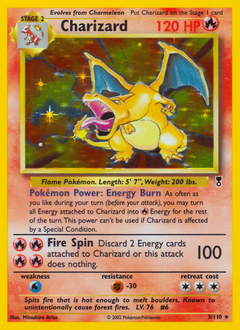 GAP $10,371
 GAP $1,446
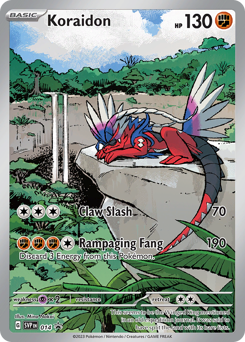 GAP $1,876
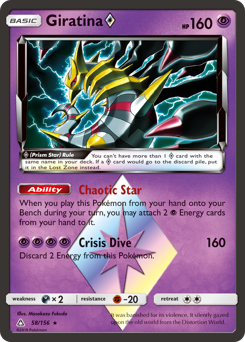 GAP $441
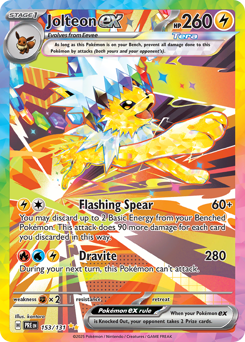 GAP $2,023
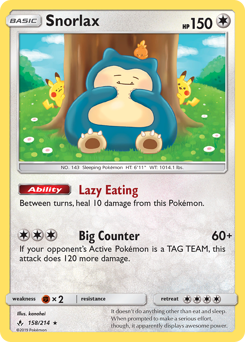 GAP $1,288
 GAP $419
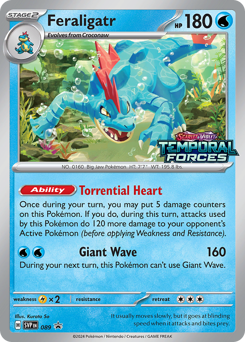 GAP $3,837
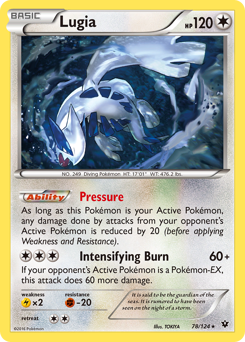 GAP $1,236
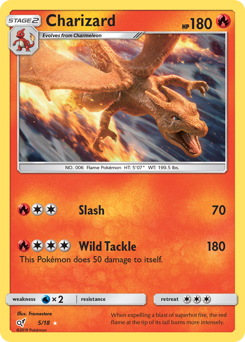 GAP $1,465
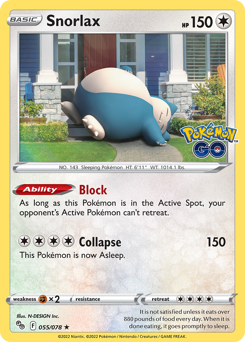 GAP $15,120
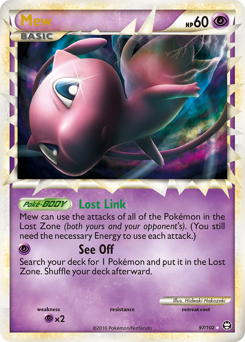 GAP $2,066
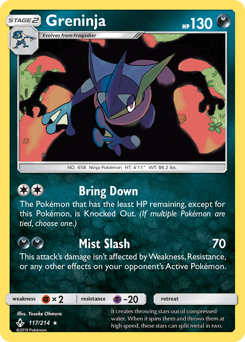 GAP $429
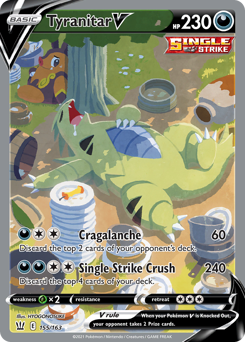 GAP $976
 GAP $1,044
 GAP $9,846
 GAP $1,168
 GAP $2,434
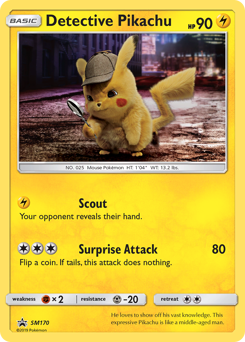 GAP $350
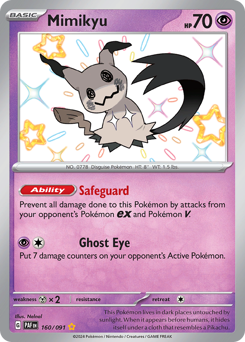 GAP $321
 GAP $190
 GAP $73,377
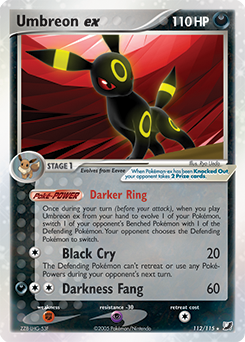 GAP $57,426
 GAP $777
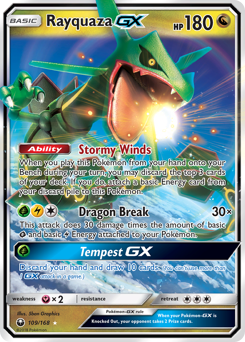 GAP $59,253
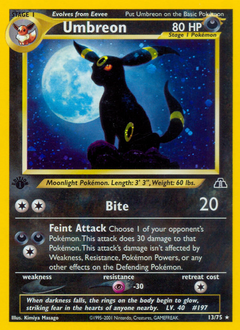 GAP $28,674
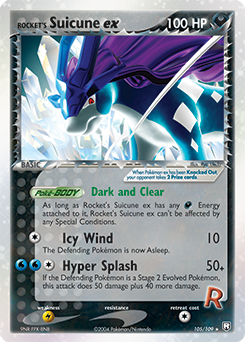 GAP $6,211
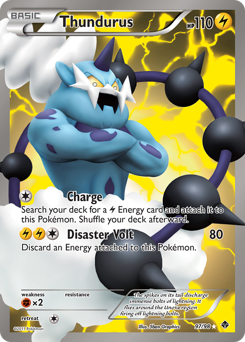 GAP $319
 GAP $283
 GAP $608
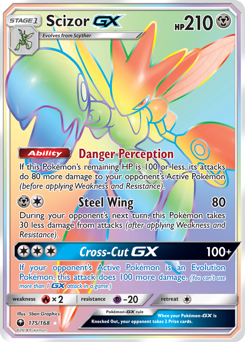 GAP $4,203
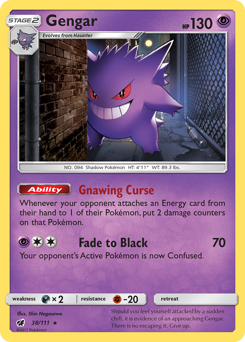 GAP $2,067
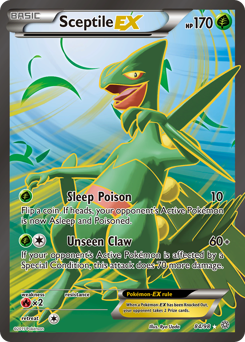 GAP $410
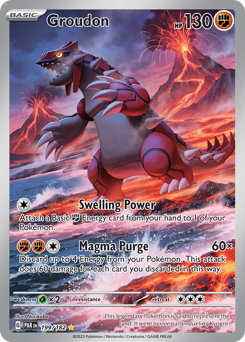 GAP $5,993
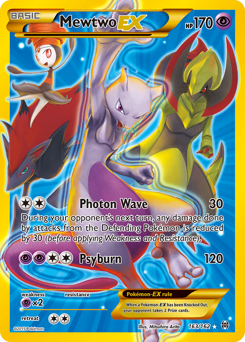 GAP $373
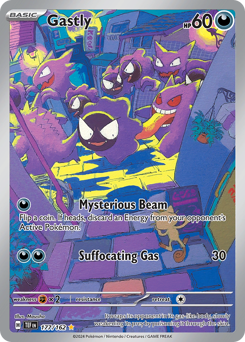 GAP $929
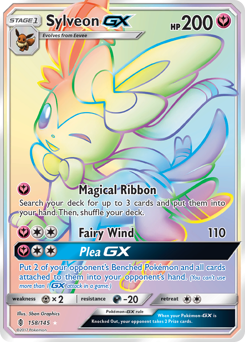 GAP $5,722

Both prices on each tile come from the same PriceCharting product page: the grade 9 figure pools the major graders, the PSA 10 figure is PSA only. That pooling actually fits this play, because the slab you crack does not need a PSA label; a cheap CGC or Beckett 9 of the same card is the same raw card underneath. Tiles link to live PSA 9 listings on eBay.
How the play works, and why it usually fails
The mechanics are simple. A card in a 9 slab and the same card in a 10 slab differ only by one grading opinion, and the market often prices that opinion at hundreds of dollars. You buy the 9, crack it, and pay PSA $79.99 at the Regular tier to ask again. Hit the 10 and you collect the gap, less roughly 13 percent to sell and ship the slab. Miss and you own the same 9 again, minus the fee, minus another round of selling costs, and minus 40 to 50 business days of price risk while the card sits in PSA's queue. The break even line on each tile is that arithmetic solved for the regrade odds: below it the play loses money even when it works sometimes.
The number this page cannot give you is the real odds, and neither can anyone else. The gem rate on each tile is the share of all submissions of that card that came back a 10, and for a cracked 9 it is a ceiling, not an estimate: the 9 got its grade for a reason, and if the reason is centering or an edge nick, it regrades a 9 or worse forever. The cracks that win are the ones where the flaw was one grader's judgment call on an otherwise clean modern card, which is exactly why this board weights newer cards up. Buy nothing without high resolution photos of the exact slab, check the centering yourself against PSA's standard, and run your exact numbers in the grading ROI calculator first, entering the 9 price as your raw cost. A regrade coming back an 8 is not rare, and it turns the arithmetic bloody.
PSA 9 arbitrage questions
What is PSA 9 arbitrage?
Buying a card graded 9, cracking it out of the slab, and resubmitting the raw card in the hope it grades a 10. The profit is the difference between the 9 price and the 10 price, which on the right cards runs into hundreds of dollars for one grading opinion. The costs are the grading fee ($79.99 at PSA's Regular tier as of 2026-09-30), selling costs on whatever comes back, and the real chance the card regrades a 9 or lower.
How is the board ranked?
By crack score: the dollar gap between the grade 9 and PSA 10 prices, multiplied by the card's own gem rate, multiplied by a freshness weight that halves every 5 years of card age. The age weight is the editorial part, and it exists because a cracked 9 is not a fresh submission: modern 9s are often one centering judgment away from a 10, while a vintage 9 usually earned its grade and will keep it. Sort by raw gap if you want the unweighted dollars. The formula is documented on the methodology page.
What are the real odds a cracked 9 regrades a 10?
Unknowable from public data, and this page does not pretend otherwise. The gem rate shown is the share of all submissions of that card that came back 10, and for a cracked 9 it is a ceiling: slabs graded 9 for centering or an edge flaw will regrade 9 or worse every time. The break even figure on each tile tells you the odds you would need; whether a specific slab clears that bar depends on why it got its 9, which you judge from photos of the actual card, not from a table.
Why is the grade 9 price sometimes lower than the raw price?
Because 9s are what a grading wave leaves behind. When thousands of copies of a modern chase card go through PSA, the misses pile up on the sell side and the 9 price can sink under the raw price. For this play that is the attractive case: the market is selling you the crack candidate at a discount to the raw card. It also happens because PriceCharting's grade 9 bucket pools all major graders, and non PSA 9s drag the figure down; that pooling fits a crack play, since the slab you crack does not need a PSA label.