PROMO CARDS
Promo cards are the ones that never came in a booster pack: box toppers, tin exclusives, movie giveaways, tournament handouts, McDonald's cards, magazine inserts. They are printed in runs nobody publishes, distributed in one market at a time, and priced almost entirely by what collectors do with them afterwards. This gallery pulls every promotional set the population data tracks, in every language, plus the retailer and event promos that reprint an expansion card with a stamp, and it shows every one of them with a real graded base. Newest first by default. Nothing here is hand picked, so a new promo lands on the board as soon as collectors start grading it.
THE GALLERY
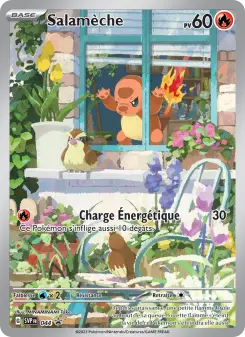
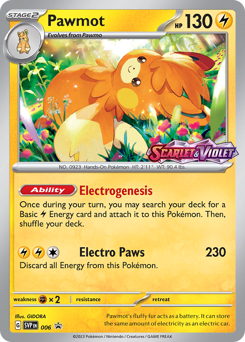
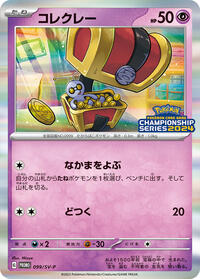
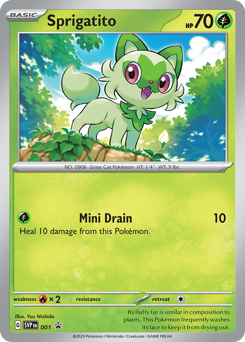
2,929 promos, sorted by newest first, data through 2026-10-07, pops through 2026-10-01




































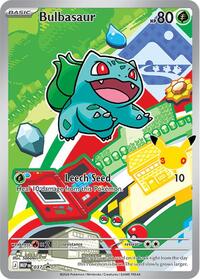





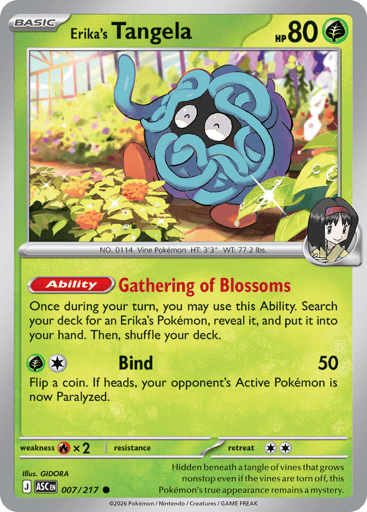








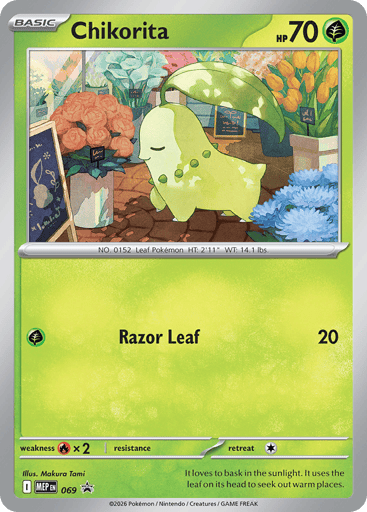












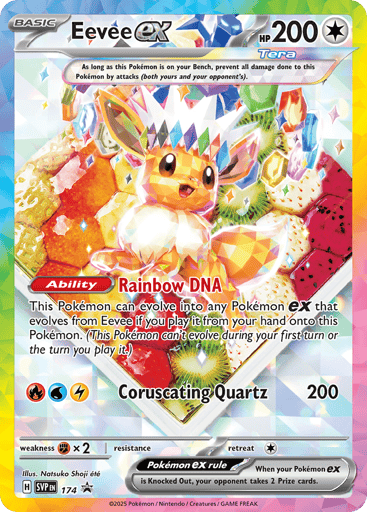




































































































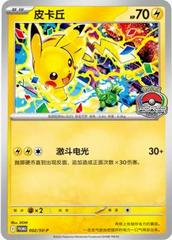







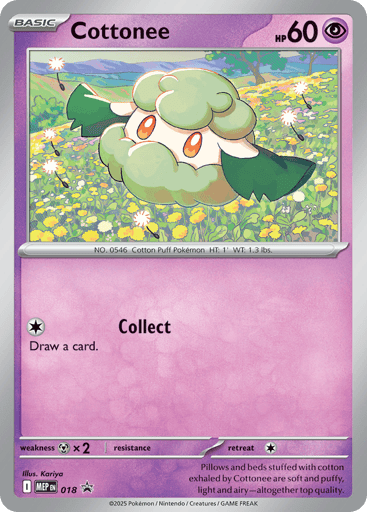





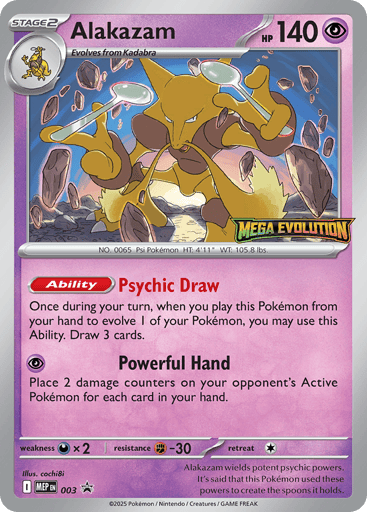






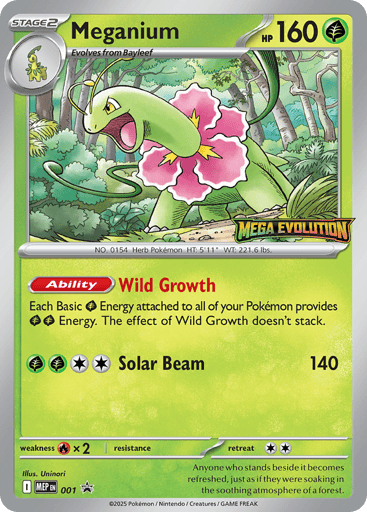









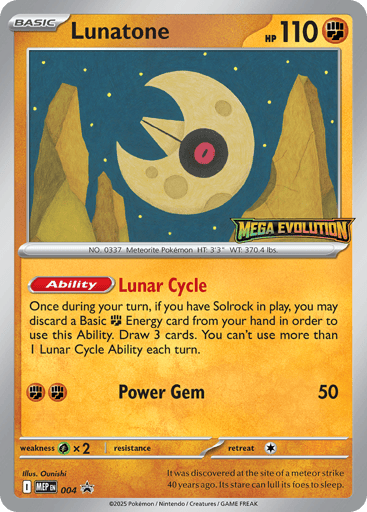
















































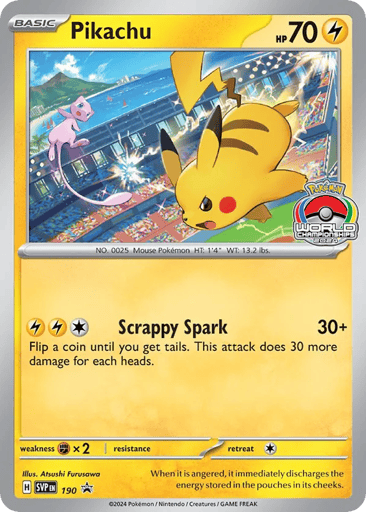







































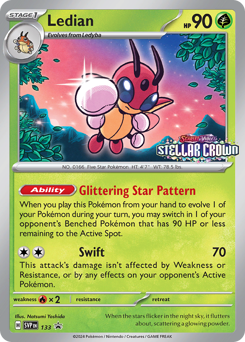

























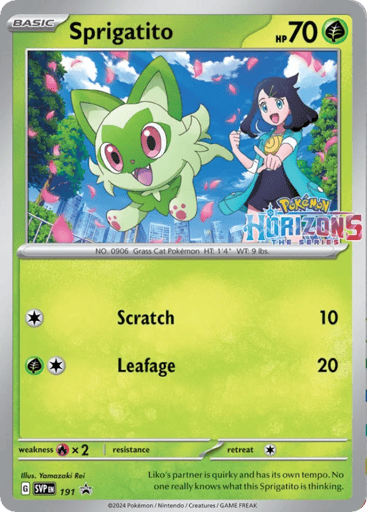








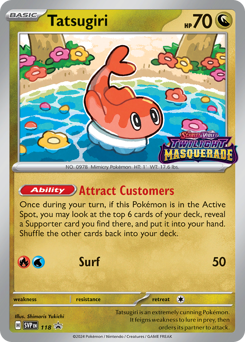



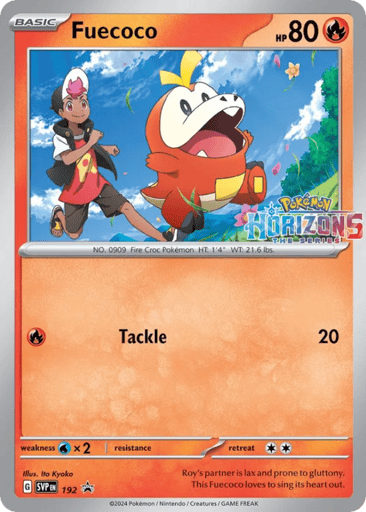













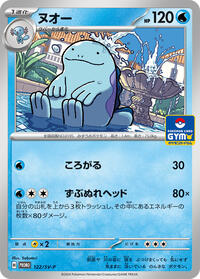







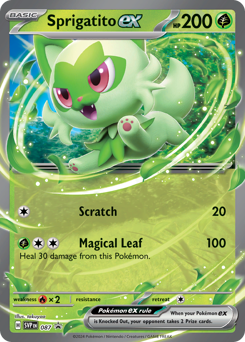
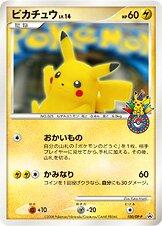




















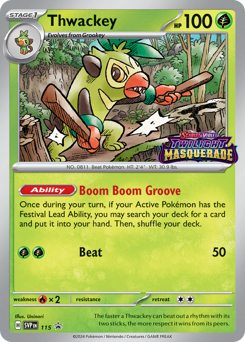
























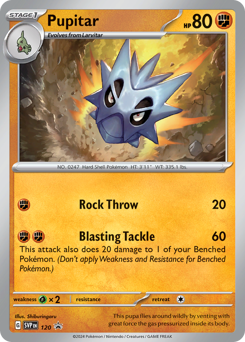






























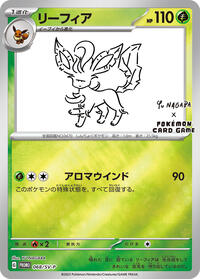








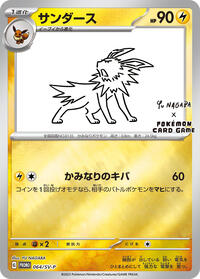



































































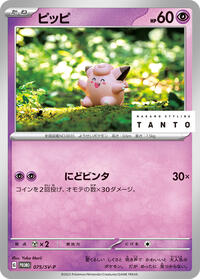
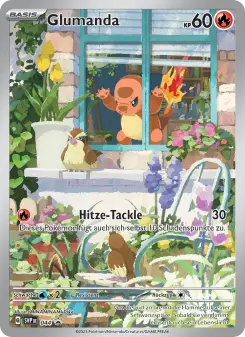





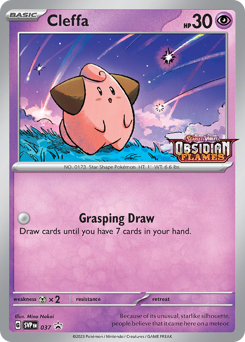




















































































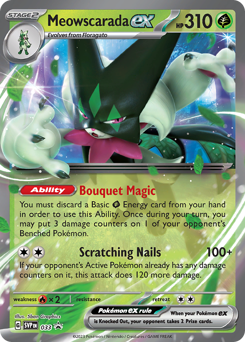























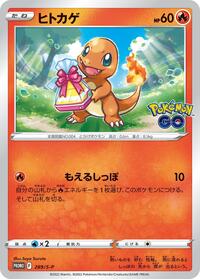











































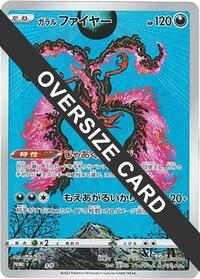























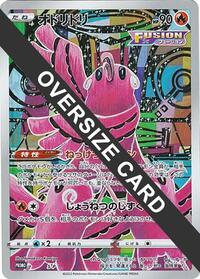







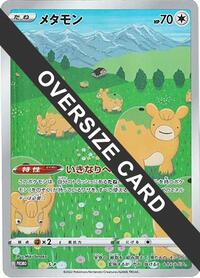




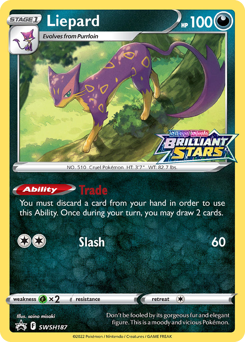












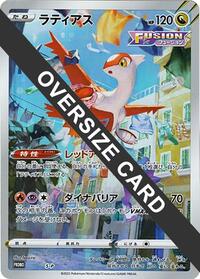





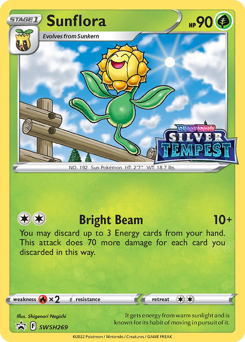























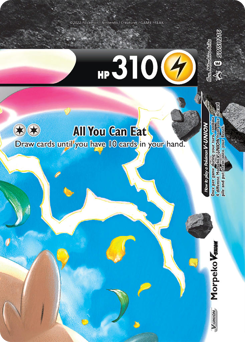

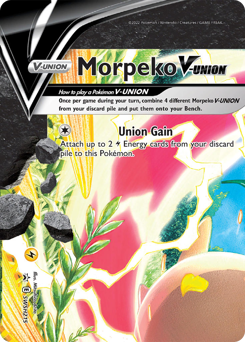



























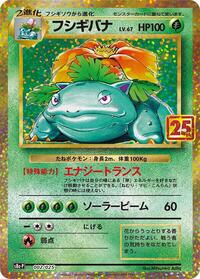














































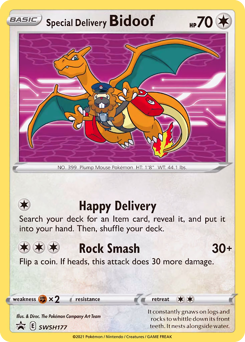












































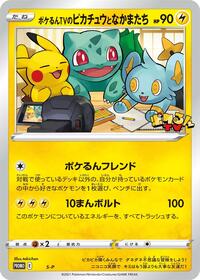









































































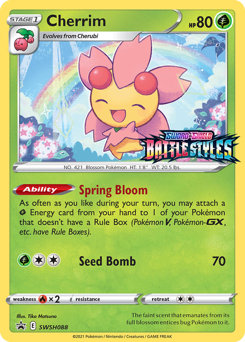























































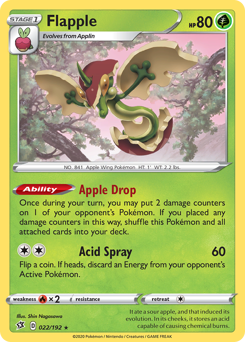






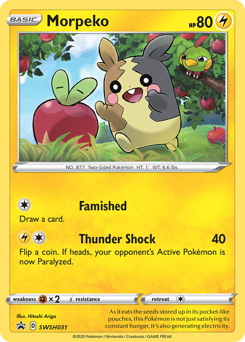














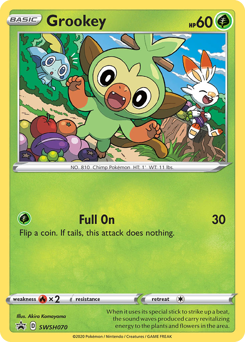





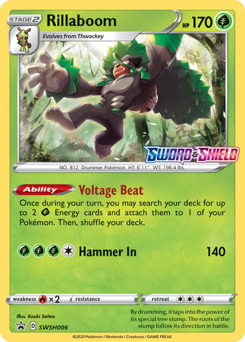


















































































































































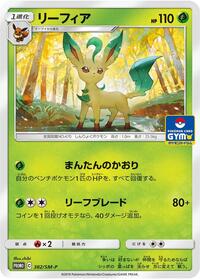
















































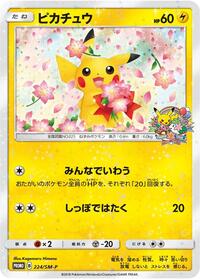
















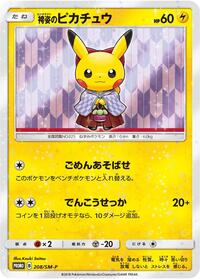
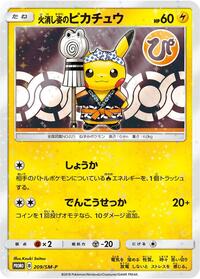

















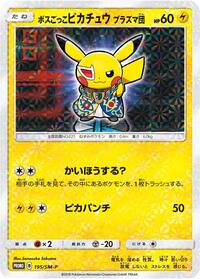










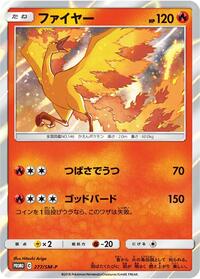











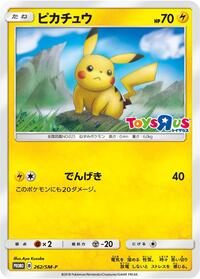


























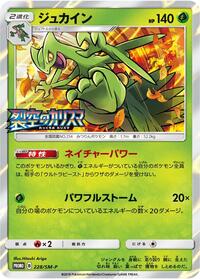


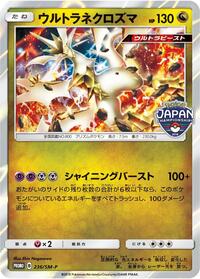



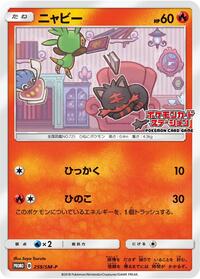



















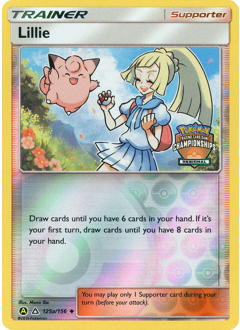











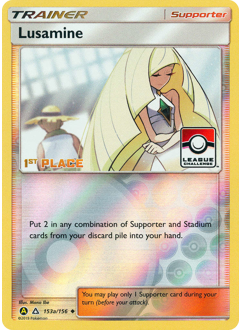







































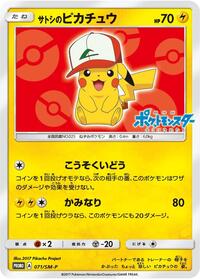























































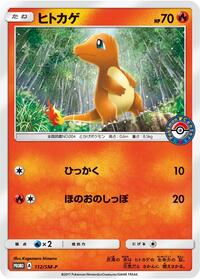

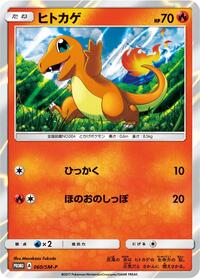



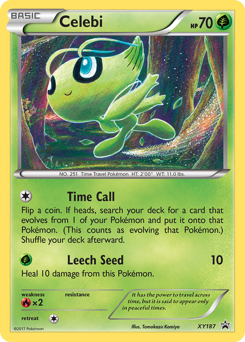
































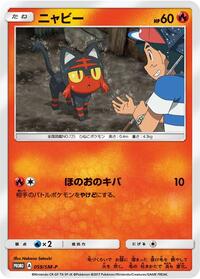














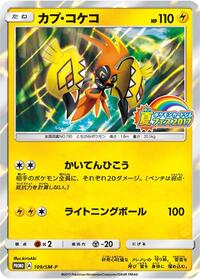








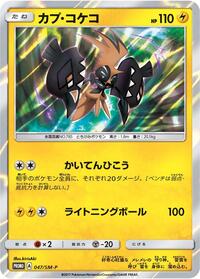

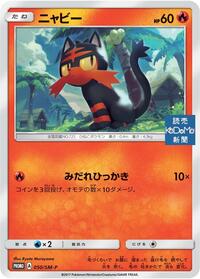

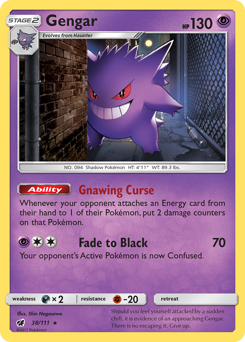















































































































































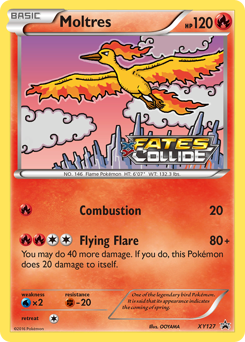


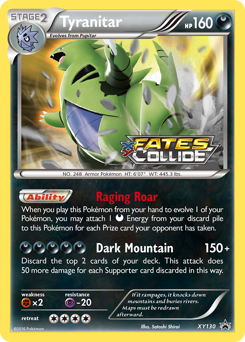






















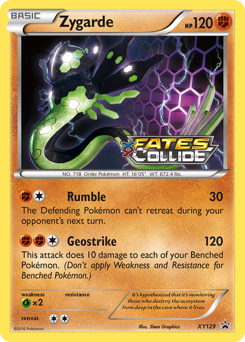



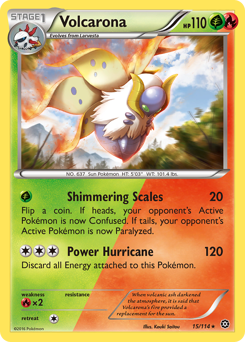






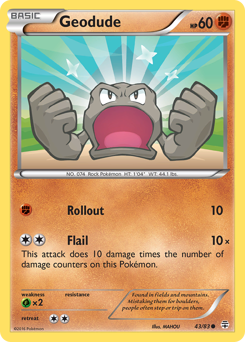




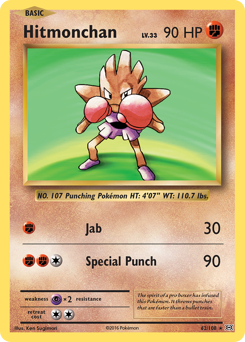



























































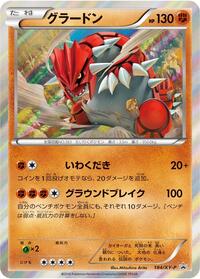














































































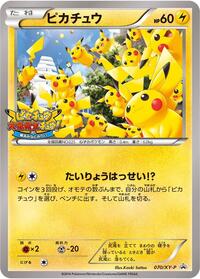









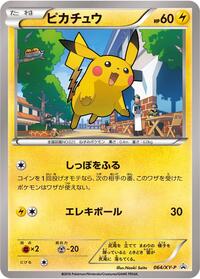











































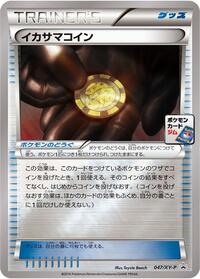


























































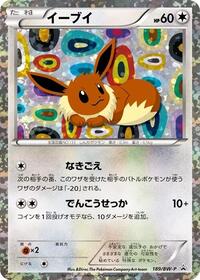





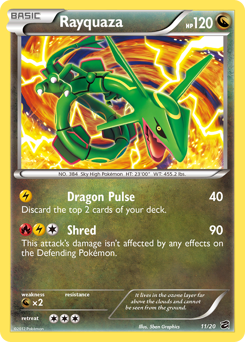



































































































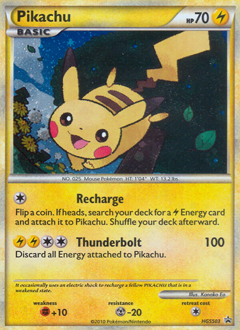


















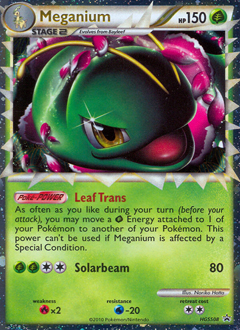


















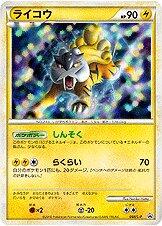

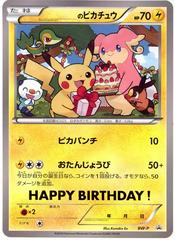

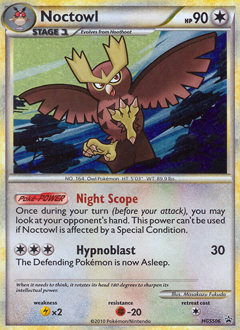













































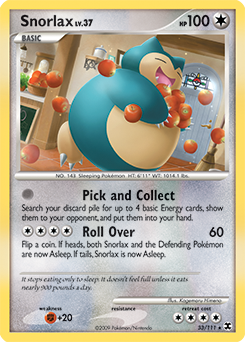









































































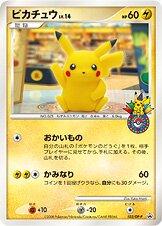


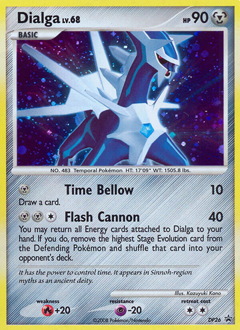













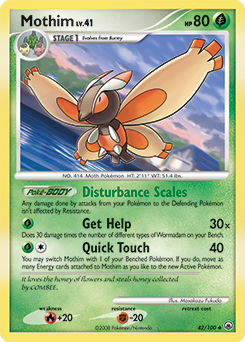


















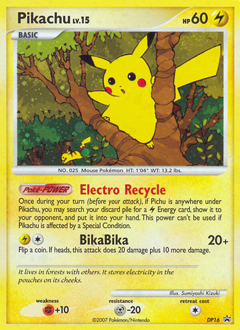















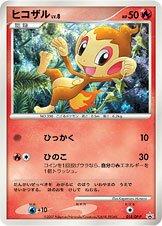



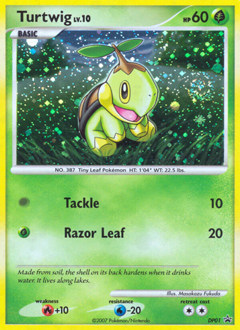





















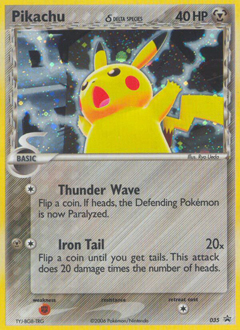
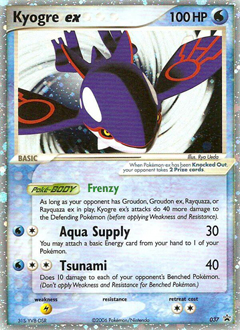

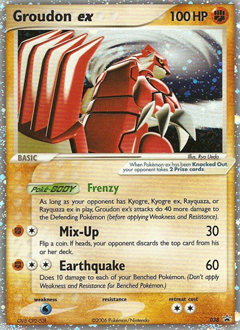
















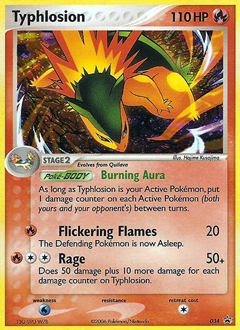















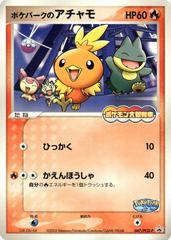








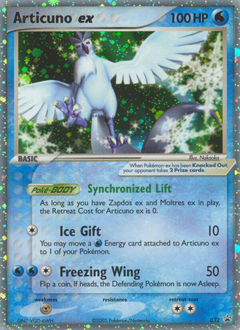





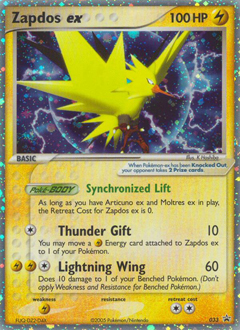





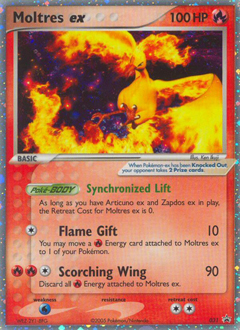





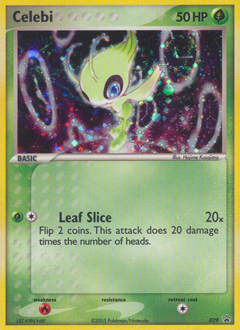





































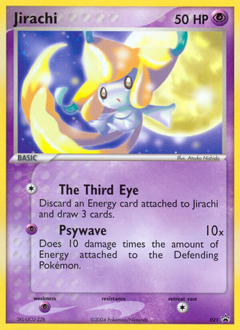




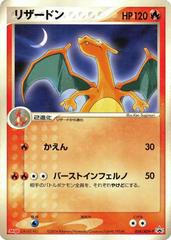









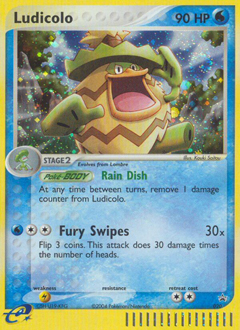

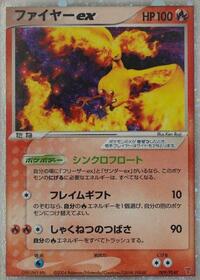
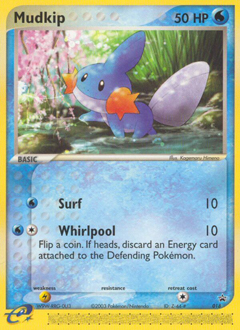











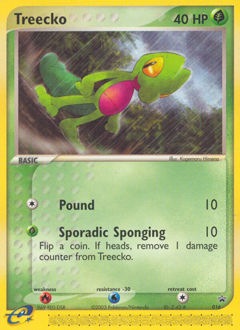



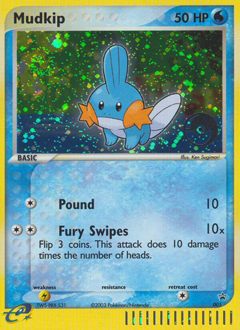



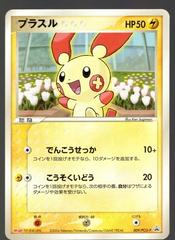




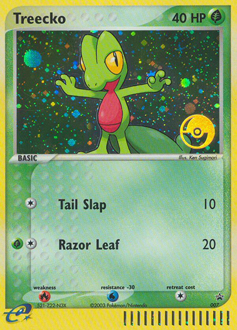








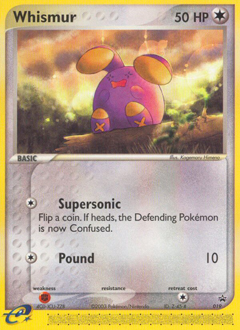

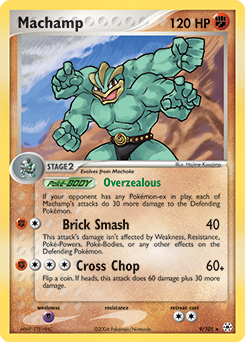



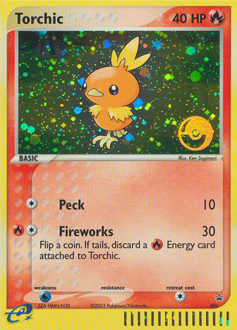











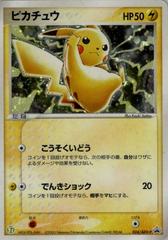
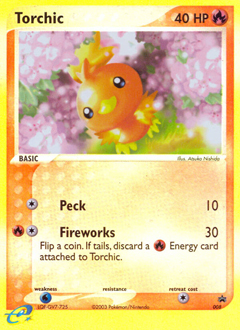
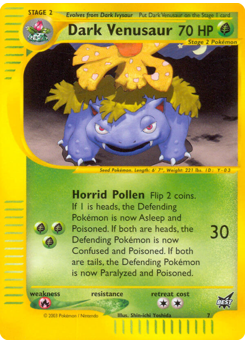



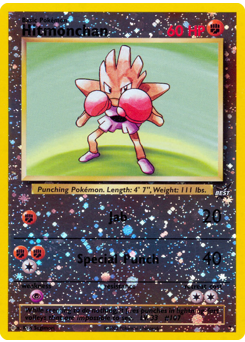











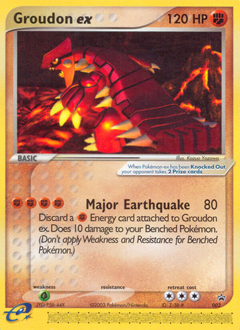































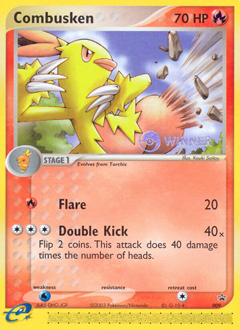











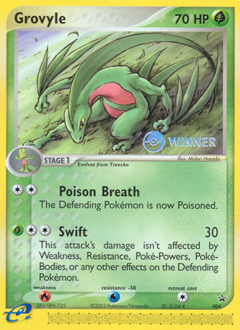





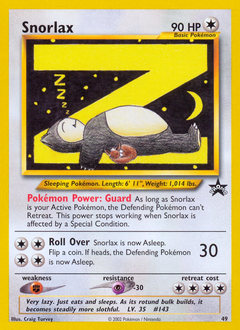

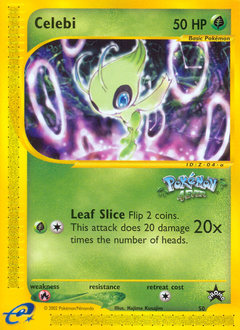



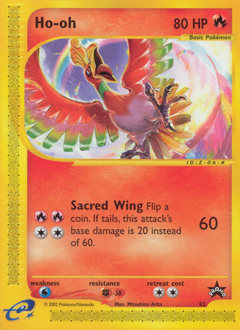
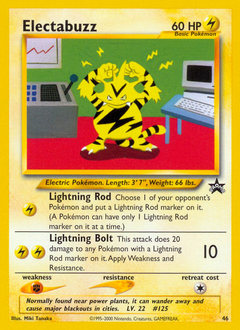




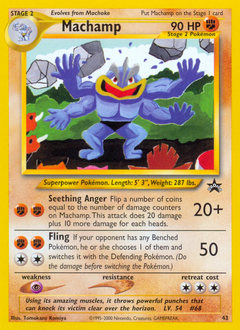
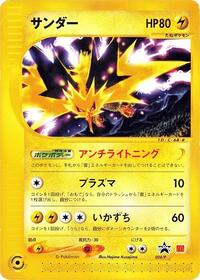

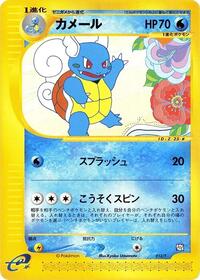





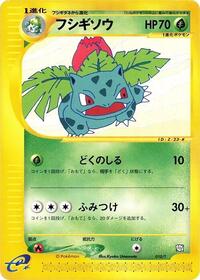

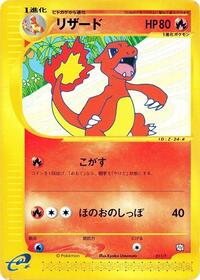

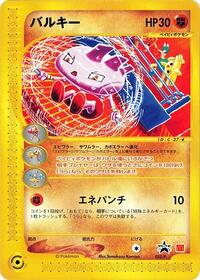








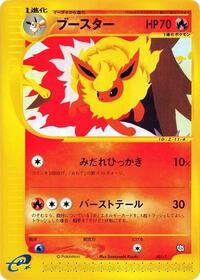
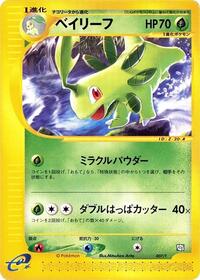








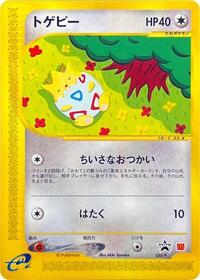
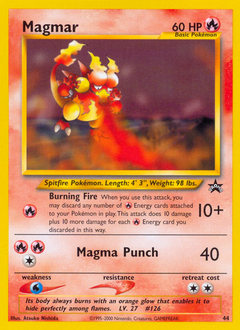



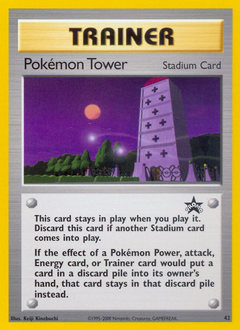








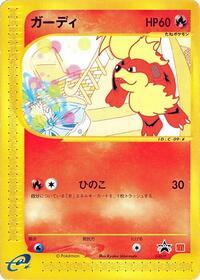

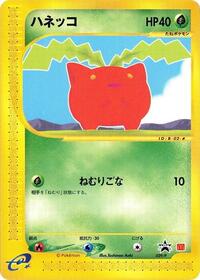




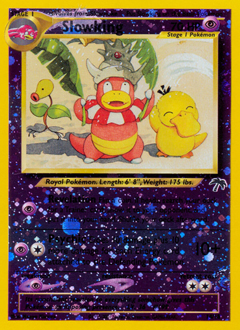



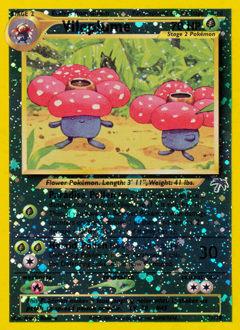



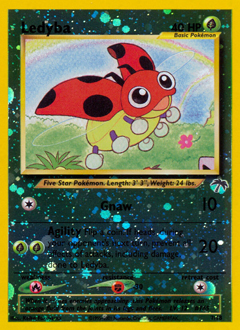
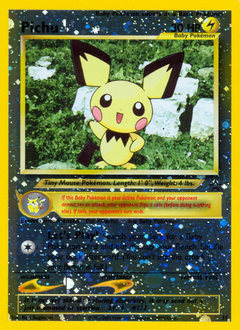



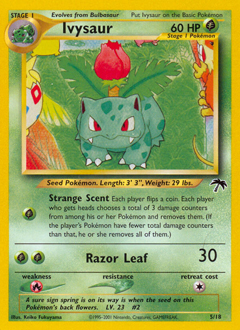

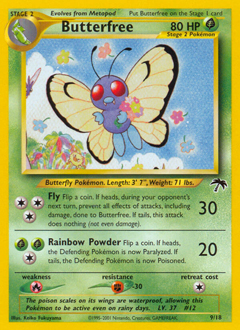




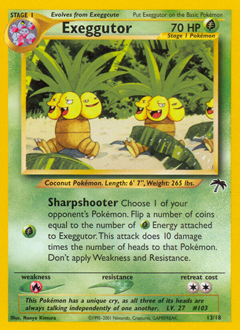

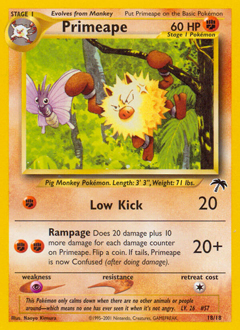


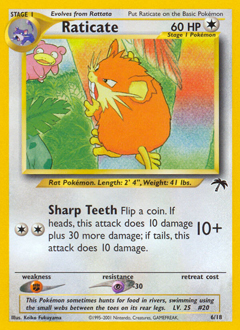
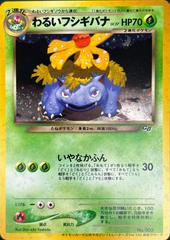
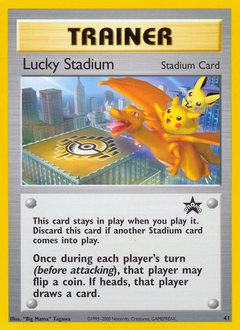




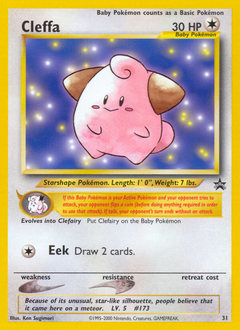
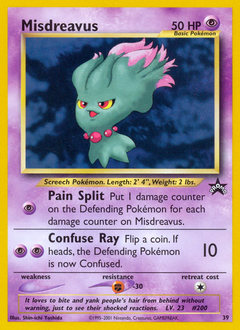

![Unown [J], Promo Black Star 38](https://images.pokemontcg.io/basep/38.png)















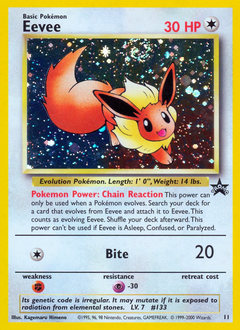



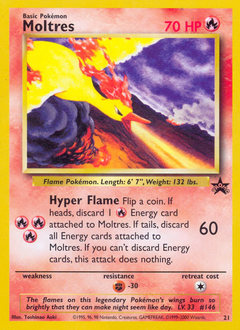
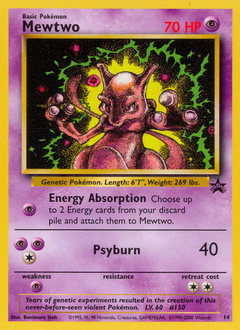
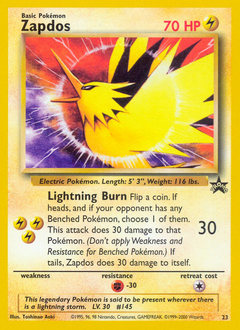

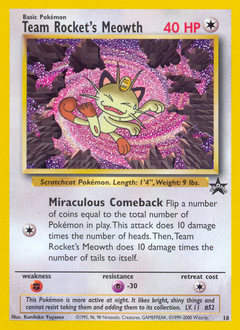


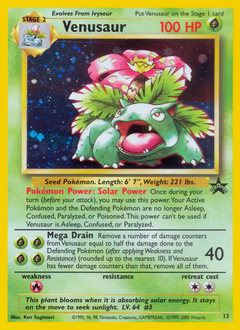


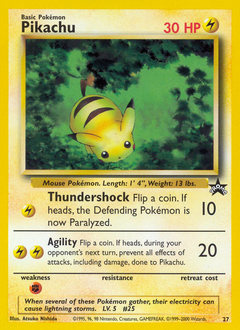







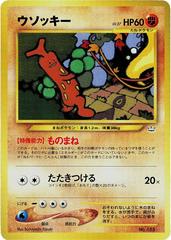
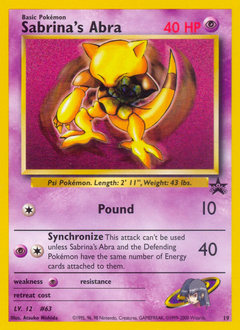


















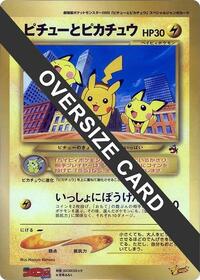

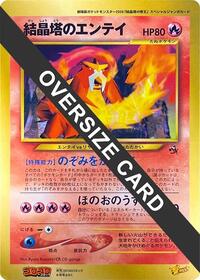



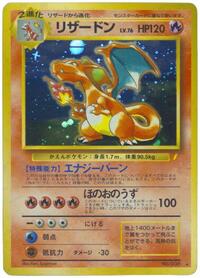







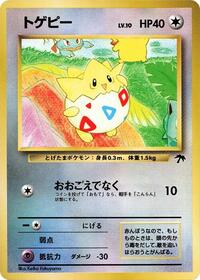



























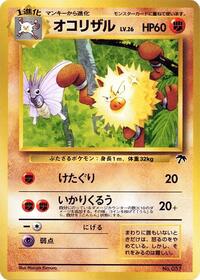
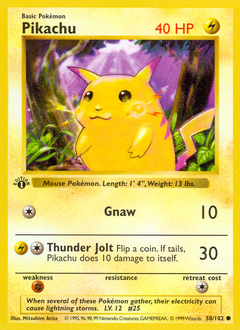
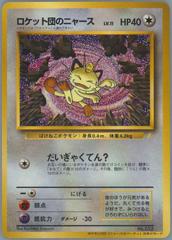
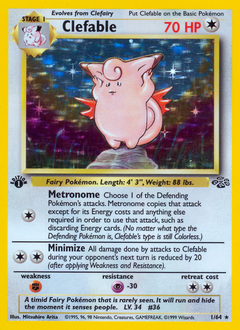







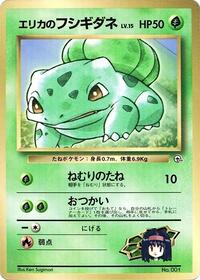








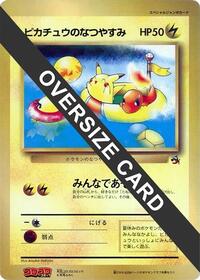




No promo matches that filter. Clear the search or pick another region.
Every tile carries one print of the card, the one with the largest graded base, and its own population and price. Stamped promos are the exception and get a tile per stamp, because a retailer stamp on an expansion card is the whole difference in what it sells for. Cards need 50 graded copies before they appear, because a gem rate off a smaller sample is noise, which is also why a promo released in the last few weeks is not here yet. Prices are PriceCharting figures and populations are GemRate tracked; both refresh with every data update. Tiles link to live eBay listings in the card's own language.
Reading a promo the way the market does
Promos break the usual supply reasoning. A set card's print run is at least bounded by how long the set was in print, but a promo can be a fast food giveaway handed out by the case or a tournament prize handed to a few dozen people, and the card itself gives no clue which. That is why the grading activity chip is the one to reach for before price. The number of copies collectors paid to slab in the last 30 days is the closest public read on whether anyone is actually transacting a promo, and it is the one figure that cannot be faked by a single optimistic listing.
The second thing to read is the gap between the population and the gem rate. Promos are handled: pulled from tins, mailed in envelopes, handed across tournament tables, stacked in a box for a decade. A promo with forty thousand graded copies and an eighty percent gem rate is a card that arrived in protective packaging and will keep producing tens forever. A promo with the same population and a five percent gem rate is a centring or edge problem that no amount of future submissions will fix, which is what the lowest price per gem ranking is built to surface. Sorting that way puts the cheapest cards whose top grade is genuinely hard to produce at the front. It is a scarcity screen, not a buy list: a card can be scarce in PSA 10 and still have nobody bidding for it, which the population and activity figures on the same tile will tell you. Every number quoted on a tile is read from the population and price data on the date printed above the gallery, not estimated or projected.
Graded cards are speculative and illiquid, and promos more than most. Nothing here is financial advice. Full method on the methodology page.
Promo card questions
What counts as a promo card here?
Any card printed in a promotional set rather than a regular expansion: black star promos, box toppers, tin and collection exclusives, movie and campaign giveaways, magazine inserts, tournament and league handouts, and store promos, in every language the population data tracks. Retailer and event promos count too even when they reprint an expansion card with a stamp, which is how the population data files the GameStop Pokemon Day 2026 Pikachu. The gallery is derived from the data rather than from an editorial list, so a new promo appears on its own once collectors have graded 50 copies of it.
Why does a card need a graded base before it appears?
Because every figure on the tile below the name is a ratio or a market price, and both are meaningless on a handful of submissions. A gem rate off ten grades tells you nothing; the same rate off 50 starts to describe the card. Promos are also where the thinnest data on the site lives, so the floor is the honest way to keep the board readable rather than long.
How does the lowest price per gem ranking work?
It multiplies the PSA 10 price by the card's gem rate raised to the power 1.5, and sorts smallest first, so a cheap card whose top grade is hard to produce beats an equally cheap card that gems easily. The exponent above one is what makes the gem rate outweigh the price rather than merely adjust it. To be ranked at all a card needs a PSA 10 price, 100 graded copies and at least 10 existing tens, because a low gem rate is only a scarcity signal when a PSA 10 market exists to be scarce. The methodology page has the formula and its limits.
Does a low gem rate mean a promo is a good buy?
Not by itself, and this page does not claim it. A low gem rate means new tens will stay scarce, which supports a price. It can equally mean the card has a centring or edge defect that made every copy fail, and that there is no real bid for the top grade at any price. The population, the gem count and the 30 day submission figure on each tile are there so you can tell the two apart. Graded cards are speculative and illiquid, and nothing here is financial advice.
Where do the numbers come from and how current are they?
Populations and gem rates are PSA population data as tracked by GemRate, and prices are PriceCharting figures for the exact print shown. Prices are snapshotted daily and population data lands weekly, and the whole board is recomputed on each refresh. The gallery you see reflects data through 2026-10-07, with populations through 2026-10-01.